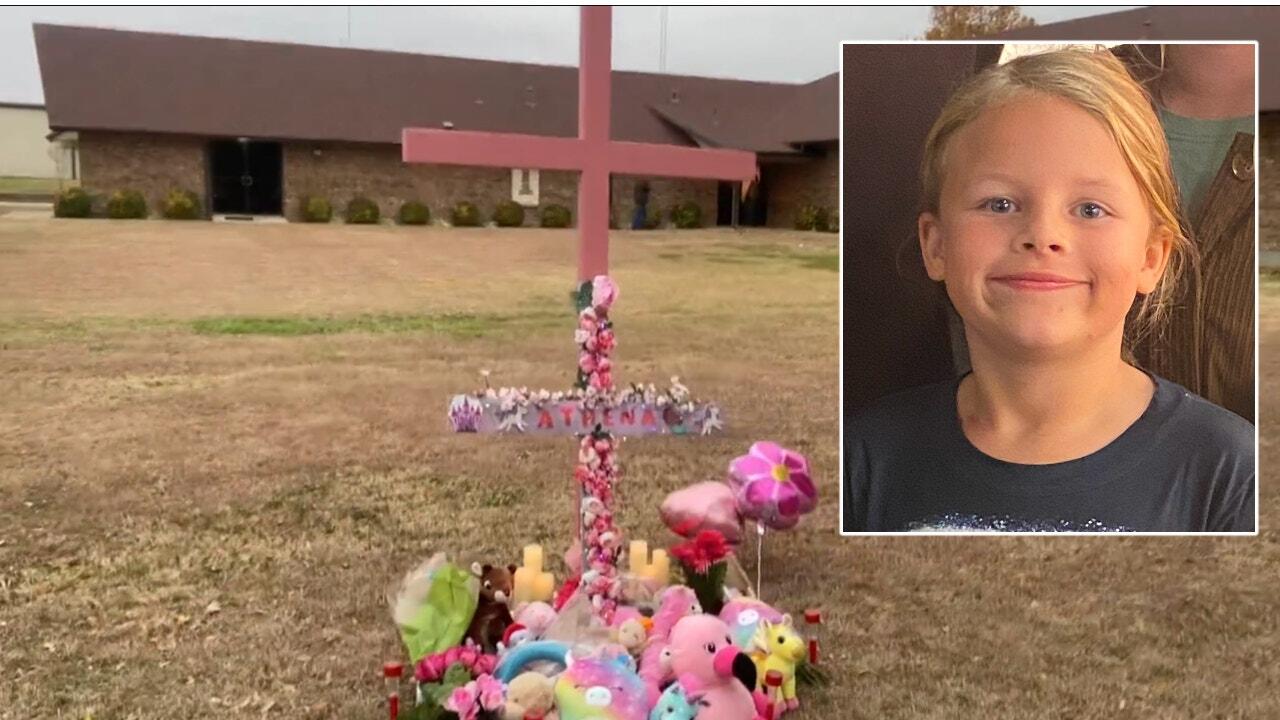
A FATHER STANDS FACE-TO-FACE WITH THE MAN WHO TOOK HIS DAUGHTER: His final words left the entire courtroom frozen.
In a Wise County, Texas courtroom on April 16, 2026, during the sentencing phase of the capital murder trial of former FedEx driver Tanner Horner, Jacob Strand did something few fathers ever have to do. He stood just feet from the man convicted of kidnapping and strangling his 7-year-old daughter, Athena Strand, and spoke not with rage, but with raw, shattering vulnerability.
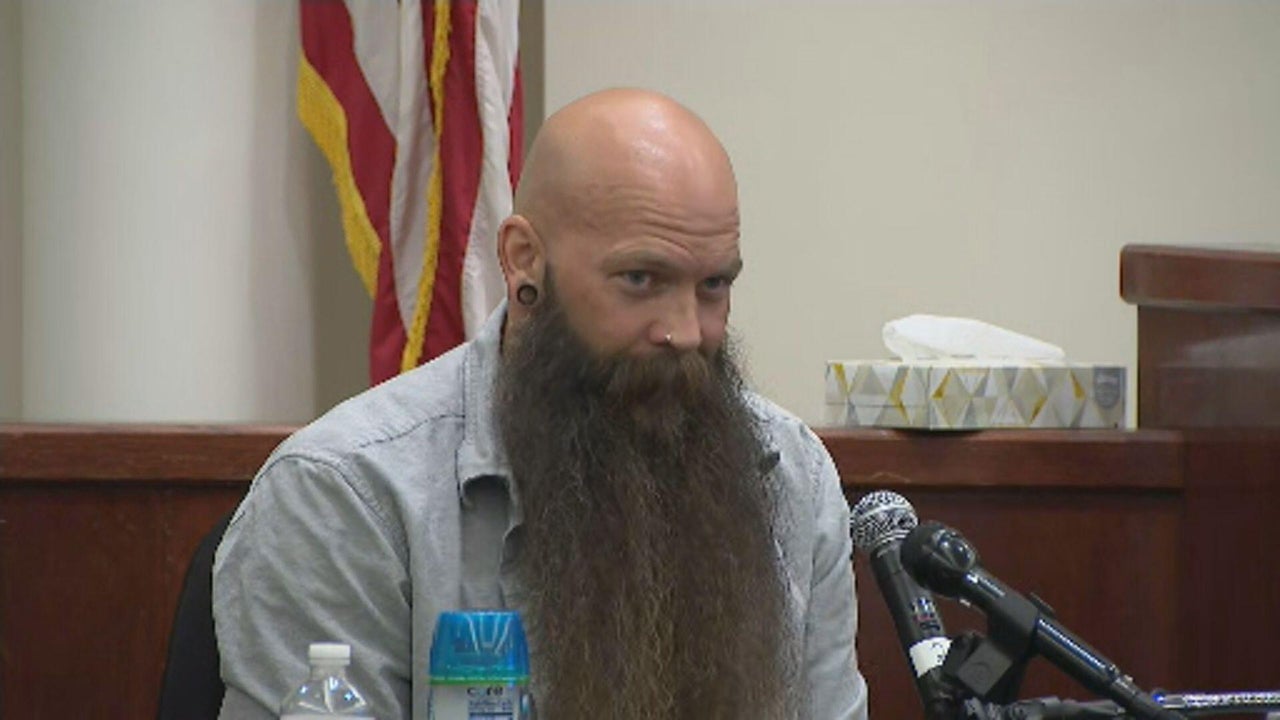
Jacob Strand didn’t raise his voice or lash out. He didn’t demand vengeance in dramatic fashion. Instead, as he looked toward Horner — the delivery driver who pleaded guilty just days earlier to capital murder and aggravated kidnapping — every measured word carried the unbearable weight of a father’s unrelenting guilt and grief.
In one devastating moment, Strand broke down and admitted the guilt that has haunted him since November 2022: the feeling that he “should have done something,” that he wasn’t there to protect his child the way a father believes he must. It wasn’t anger speaking — it was heartbreak, raw and unfiltered.
And then came the line that’s now echoing far beyond that courtroom: “I wasn’t there to protect them like I should be, like a father’s role.”
An Ordinary Day Shattered
Athena Strand was a bright, loving 7-year-old who “loved everybody,” according to those who knew her. With her infectious smile, pigtails, and boundless energy, she was the kind of child who lit up any room. On November 30, 2022, in the small town of Paradise, Texas, Athena was at her father Jacob Strand’s home with her stepmother when a FedEx delivery truck pulled into the driveway.
What should have been a routine package drop-off turned into unimaginable horror. According to Horner’s own account and evidence presented in court, he accidentally struck the little girl with his truck while backing out. Panicking, he allegedly placed her in his van instead of seeking help. What followed was captured in chilling audio later played for jurors: Athena’s terrified final moments, her small voice asking questions no child should ever have to voice.
Horner, who has a prior criminal history including allegations of sexual assault against teens, strangled Athena out of fear she would tell her father what happened. He later dumped her body. The community was plunged into grief as searches for the missing girl turned into a recovery effort. Vigils, pink memorials, and a custom pink casket at her funeral became symbols of a town mourning its littlest light.
Jacob Strand has carried the weight of that day ever since. In his emotional testimony, he described how the guilt consumed him. “It made me feel horrible,” he told the court, his voice heavy. “Like I should have done something or been there. I wasn’t there to protect them like I should be, like a father’s role.”
He spoke of self-destruction in the aftermath — stopping eating properly, turning to heavy drinking — behaviors that strained his marriage and left him isolated in pain. Athena’s siblings, including her sister, now struggle with nightmares and attend therapy. The entire family dynamic shifted irreversibly.
Facing the Killer: A Quiet, Devastating Confrontation
Unlike many high-profile victim impact statements filled with fury or calls for the death penalty, Strand’s words were introspective. He faced Horner directly in the courtroom, a man whose actions had stolen not just Athena’s life, but pieces of his own identity as a protector.
Strand recounted the last time he saw his daughter alive and the profound void her absence created. He missed her laugh, her spirit, her way of brightening even the hardest days. He held up a box of “You Can Be Anything” Barbie dolls — the final Christmas gift he had bought for her but never got to give.
As he spoke, the courtroom grew still. Jurors, already shaken by earlier testimony including the disturbing audio from Horner’s van, listened in silence. Some family members and onlookers fought back tears. Strand didn’t attack the defendant verbally or physically. His power came from honesty: a father admitting the impossible burden every parent fears — the “what if” that never leaves.
He ended with a plea to the jury: “I just hope that the jury and the justice system will make the right decision.”
The statement was not a demand for execution, though prosecutors are seeking the death penalty. It was an acknowledgment of shared human frailty and a father’s broken heart. In that moment, Strand stood face-to-face with the man who took his daughter, yet the deepest confrontation was with himself.
The Broader Impact: A Family and Community in Mourning
Athena’s mother, Maitlyn Gandy, has also testified, expressing her own regrets: “I tell her that I’m sorry that I wasn’t there to protect her and to stop him.” The parents’ parallel expressions of guilt highlight how such tragedies ripple outward, leaving no one untouched.
The trial has been marked by intense emotional testimony. Jurors reportedly sobbed during the playback of audio from Athena’s final moments. Courtroom footage showed visible distress among those present. Horner’s guilty plea came abruptly just before the full trial was set to begin, shifting focus to sentencing.
Community response in Wise County and beyond has been one of collective sorrow. Memorials with candles, stuffed animals, and crosses bearing Athena’s name sprang up shortly after her death. Her funeral featured Disney songs and tributes to her joyful personality. Pink — her favorite color — dominated the service, including a custom pink casket.
Strand’s testimony humanizes the often-abstract discussions around victim impact. It underscores a painful truth: even in cases where a parent was not physically present at the moment of harm, the psychological weight of perceived failure can be crushing. Experts on parental grief note that “survivor’s guilt” and self-blame are common, regardless of actual responsibility.
Justice and the Lingering Questions
As the jury deliberates Horner’s fate — life in prison or death — Strand’s words linger as a reminder of what was lost. Athena was not just a statistic in a tragic crime; she was a little girl with dreams, laughter, and a father who would have done anything to shield her.
The case also raises broader issues: background checks for delivery drivers, response protocols in accidents involving children, and the long-term trauma inflicted on families. Horner’s prior record has fueled criticism of how he was employed and allowed to make deliveries in residential areas.
For Jacob Strand, the courtroom moment was not about closure — such wounds rarely fully heal — but about voicing the guilt he has carried alone for years. By admitting “I wasn’t there to protect them like I should be,” he transformed private torment into a public testament to love and loss.
In doing so, he froze the courtroom not with drama, but with truth. A father’s heartbreak, laid bare before the man who caused it, and before a system now tasked with delivering justice.
Athena Strand’s memory lives on in the pink memorials, the stories of her kindness, and the quiet strength of a father who, even in his deepest pain, chose vulnerability over vengeance. Her life, though tragically short, continues to touch those who hear her story — a reminder of innocence stolen and the enduring power of a parent’s love.
Để lại một bình luận