BREAKING: Dive professionals are now questioning why the tourist group continued the expedition despite allegedly receiving a last-minute warning before entering the water. The crystal-clear waters of the Maldives, celebrated worldwide for their breathtaking coral gardens and rich marine biodiversity, have once again become the stage for an unimaginable tragedy that has shaken the international diving community to its core. Just days after five experienced Italian divers lost their lives in a deep cave system in Vaavu Atoll, new revelations have surfaced suggesting the group may have pressed ahead with their high-risk penetration dive even after receiving urgent advisories about deteriorating conditions, prompting fierce debate over accountability, judgment, and the thin line between adventure and recklessness in one of the planet’s premier underwater destinations.
The incident unfolded on May 14 when the group, aboard the liveaboard yacht Duke of York, set out for a site near Alimathaa island in the northeast of Vaavu Atoll, roughly 100 kilometers south of Malé. Their objective was to explore a complex network of underwater caves and chambers at depths reaching around 50 meters, well beyond the typical recreational diving limit of 30 meters enforced across much of the Maldives. According to emerging reports from crew members and local authorities, weather conditions had already begun to shift that morning, with stronger currents and reduced visibility forecasted for the area. Dive professionals familiar with the region claim that a last-minute briefing or radio communication explicitly warned of these hazards, advising against overhead environments or deep penetrations on that day. Yet the group reportedly decided to proceed, a choice now under intense scrutiny as investigators piece together the sequence of events that led to all five failing to resurface.
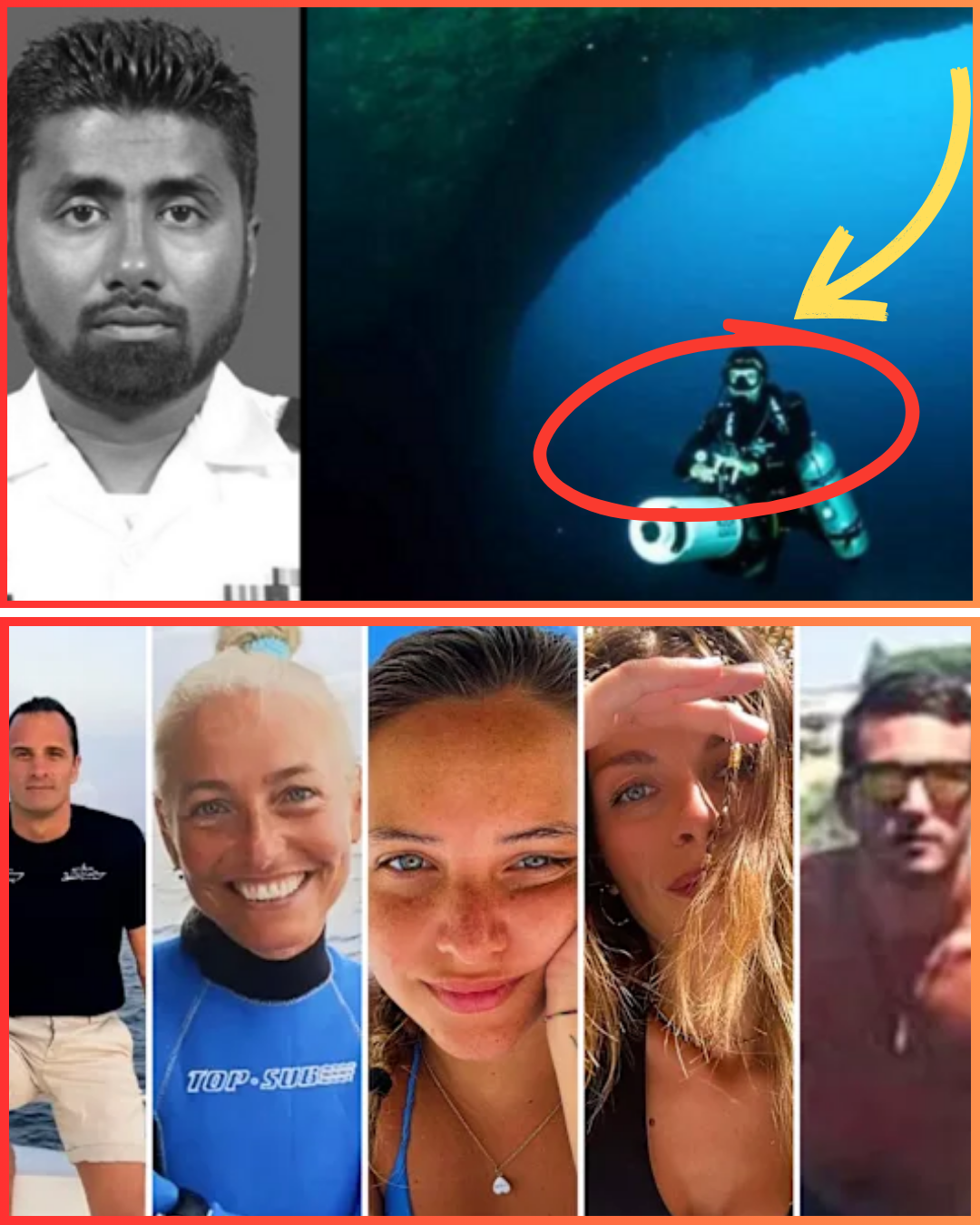
Among the victims were Monica Montefalcone, a respected marine ecologist and associate professor at the University of Genoa, her 22-year-old daughter Giorgia Sommacal, research fellow Muriel Oddenino, recent graduate Federico Gualtieri, and diving instructor Gianluca Benedetti. The expedition blended scientific interests in monitoring reef health and climate change impacts with what appeared to be a private exploratory dive. While the participants were undoubtedly qualified and passionate about the ocean, critics argue that enthusiasm and experience do not always compensate for ignoring environmental red flags. One veteran instructor based in the Maldives, speaking on condition of anonymity, expressed disbelief that the team would overlook such a warning: “In cave diving, especially at that depth with potential currents, a last-minute caution is not something you dismiss lightly. This should never have happened if protocols were followed.”
Questions are mounting about the decision-making process on the boat that morning. Sources indicate that surface conditions still looked deceptively calm when the divers kitted up, but underwater reports from nearby operations highlighted building tidal flows through the atoll channels. Vaavu Atoll is known for its dramatic kandus — channels where nutrient-rich currents attract large pelagics but also create unpredictable water movement that can disorient divers or pin them against structures. Entering a cave system under such circumstances amplifies risks exponentially: silt-outs can reduce visibility to zero within moments, while navigation becomes reliant on lines and lights that may fail or become entangled. Dive computers and logs recovered so far are expected to reveal critical data on depths, gas consumption, and bottom times, but preliminary analysis already suggests the group ventured deeper and farther than initially planned.
The tragedy escalated during recovery efforts when Maldivian National Defence Force Staff Sergeant Mohamed Mahudhee died from decompression sickness after participating in perilous search operations inside the cave. His passing brought the total loss of life to six, casting an even darker shadow over the incident and highlighting the extreme dangers rescuers face in overhead environments at significant depth. Search operations were repeatedly hampered by poor weather, forcing suspensions and delaying the recovery of the remaining bodies believed to be trapped in tighter sections of the maze-like structure. Families of the victims, devastated and seeking answers, have called for a thorough joint investigation involving Maldivian police, Italian authorities, and independent diving experts to determine whether the alleged warning was adequately communicated, documented, and ultimately disregarded.
This latest development has ignited broader conversations within the global diving industry about risk assessment and the culture of pushing limits. Many experienced technical divers emphasize that true expertise includes the wisdom to abort a dive when conditions change. “You can have thousands of logged dives, advanced certifications, and the best equipment, but if you ignore a weather warning or a gut feeling from the crew, you’re rolling the dice in an environment that doesn’t forgive mistakes,” noted one cave diving specialist with decades of experience in similar atoll systems. Nitrogen narcosis, often called “the martini effect” for its intoxicating influence at depth, can subtly erode judgment, making it even harder to reverse course once inside a cave. Combined with potential equipment issues, gas management challenges in overhead spaces, or sudden current surges, these factors can turn a manageable situation into a fatal one rapidly.
The Maldives’ diving tourism sector, a cornerstone of the island nation’s economy, now faces renewed pressure to review safety standards. Operators routinely stress the importance of respecting local knowledge, adhering to depth and penetration guidelines, and maintaining open communication with support teams on the surface. Yet incidents like this underscore how private charters or research-oriented groups sometimes operate with greater autonomy, occasionally leading to decisions that stretch boundaries. Proposals circulating in diving forums and among professionals include stricter pre-dive weather checks tied to operational approvals, mandatory use of surface-supplied communication for deeper or cave dives, and enhanced training requirements emphasizing conservative decision-making. The deceptive allure of the Maldives — tranquil surface waters masking powerful subsurface forces — demands constant vigilance rather than complacency.
As details continue to emerge, the diving community mourns not only the loss of five passionate individuals who dedicated themselves to ocean science and exploration but also the rescuer who risked everything to bring them home. Monica Montefalcone and her colleagues represented the best of marine research, working to understand and protect vulnerable reef ecosystems threatened by warming seas. Their deaths serve as a painful reminder that even the most dedicated stewards of the ocean remain vulnerable to its raw power. For those left behind — spouses, parents, students, and colleagues — the grief is compounded by lingering questions about that final decision to enter the water despite the warning.
Investigators are examining everything from the dive briefing recordings and weather logs to the group’s gas mixtures and emergency protocols. Early indications point to a possible cascade of events triggered by environmental factors that were either underestimated or not fully anticipated once the team was committed to the cave. In the tight confines of an underwater cavern, where there is no direct ascent to the surface, even minor problems can escalate beyond recovery. This reality is what makes cave and technical diving among the most demanding disciplines in the sport, reserved for those who prioritize planning, redundancy, and humility before the sea.
Looking ahead, the hope among dive professionals is that this heartbreaking episode will drive meaningful improvements rather than fade into statistics. Enhanced education on reading subtle environmental cues, stricter enforcement of recreational versus technical diving distinctions, and a cultural shift toward aborting dives without hesitation could prevent future losses. The Maldives will undoubtedly continue to captivate divers with its unparalleled beauty, from vibrant reefs teeming with life to dramatic drop-offs and channels. Yet the events in Vaavu Atoll stand as a solemn warning: paradise demands respect, and no photograph or scientific discovery is worth a life. As one veteran divemaster reflected, the ocean always has the last word, and those who listen to its warnings are the ones who return to tell their stories. The full truth of what transpired in those silent caves may never be known completely, but the lessons must be learned if such profound tragedy is to spur lasting change in how divers approach these mesmerizing yet unforgiving waters
Để lại một bình luận