🚨 THE WILD 1980S HOME TRENDS THAT WOULD GIVE TODAY’S INTERIOR DESIGNERS A HEART ATTACK! 🤯
If you walked inside a typical American home in the 1980s, you weren’t stepping into a clean, minimalist, neutral-toned sanctuary. You were entering a sensory wonderland of honey oak kitchen cabinets, neon pinks, massive floor-to-ceiling mirrors, glass block walls, and wall-to-wall teal carpeting! 😳
From rotary novelty phones shaped like Garfield and Snoopy to the heavy box console television that served as the center of family life—the 1980s interior was packed with personality, clutter, and bold statements.
And let’s not forget the heavy velvet drapes with elaborate tiebacks, the metal wall sculptures of flying birds, and the iconic cassette storage cabinets that lined every living room! 💥
🔥 Is modern home design too boring and sterile, or are you glad we left the neon and floral couches behind?
👇 Click the link below to step back in time and explore the unforgettable 1980s home decor trends that vanished completely! 👇
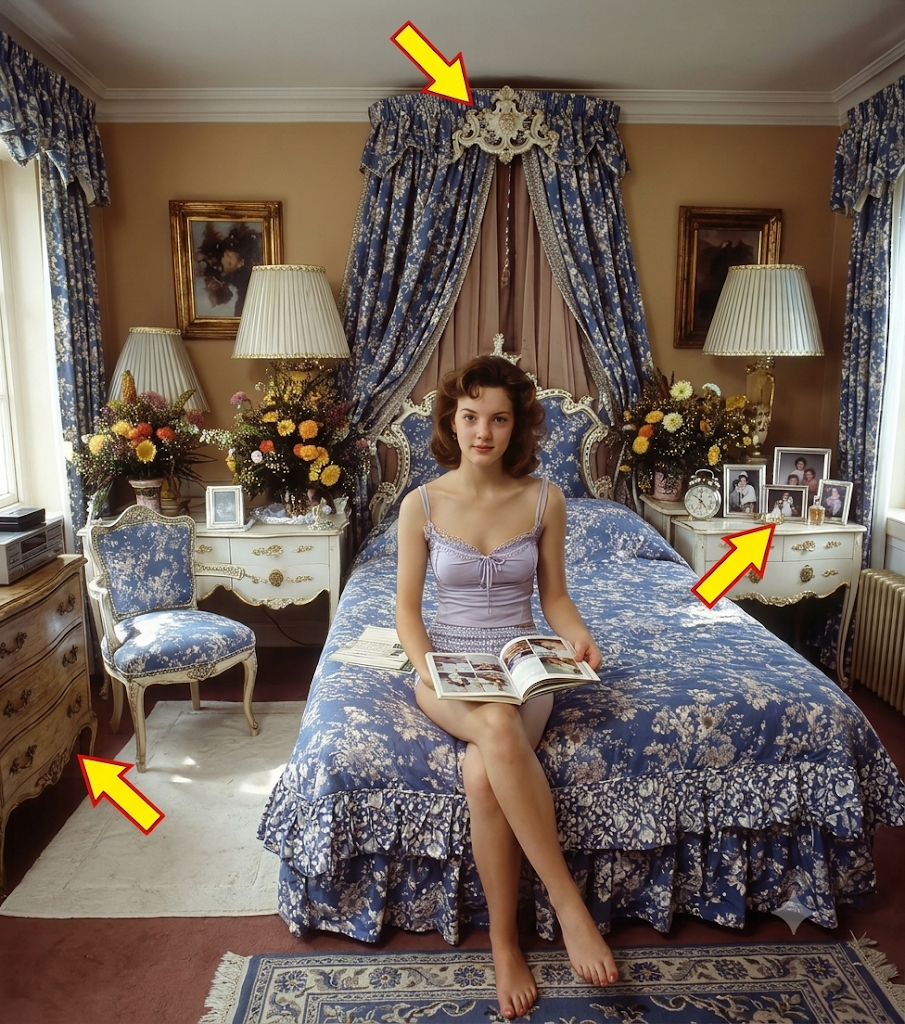
Step inside a well-preserved American living room from the 1980s, and you are immediately enveloped in an era defined by bold maximalism, warm clutter, and unapologetic self-expression. While the 21st century has taught homeowners to worship sterile minimalism, Scandinavian neutrals, and stark white walls, the residential landscape of the 1980s was an energetic riot of color, texture, and consumer optimism.
Following the economic malaise of the 1970s, the 1980s housing boom brought a fresh wave of modernization and spending power into family homes. From innovative architectural glass blocks to character-themed bedroom sets, the mid-to-late ’80s left an indelible stamp on domestic design that has since vanished into vintage nostalgia.
Architectural Statements: Glass Blocks and Floor-to-Ceiling Mirrors
The architecture of the 1980s home relied on heavy geometric elements designed to maximize light, space, and a sense of futuristic glamour.
1. Glass Block Walls
Though invented a century prior, glass blocks experienced a massive renaissance in the 1980s, dominating modern architectural aesthetics. Homeowners utilized them to construct false interior walls that divided living spaces without blocking natural light, or installed them around kitchen and bathroom windows for privacy. Ubiquitous in popular culture—appearing prominently in hit films like Look Who’s Talking (1989)—glass blocks were the ultimate badge of modern architectural chic.
2. Floor-to-Ceiling Mirrors and Heart-Shaped Tubs
The 1980s took mirror usage to an unprecedented extreme. Floor-to-ceiling mirrored walls were installed in living rooms, hallways, and master bedrooms to create an illusion of infinite space and unapologetic glamour. In luxury bathrooms, this mirrored extravagance converged with the peak popularity of sunken tubs and romantic heart-shaped jacuzzis, surrounded by large vanity light fixtures with bright spherical bulbs.
3. Lucite and Clear Furniture
Clear acrylic or Lucite furniture made a strong comeback in the ’80s. Ranging from dining chairs to side tables and lamps, clear furnishings introduced a sleek, modern feel that expanded visual space. As a humorous side effect, it also permanently eliminated the classic family foot-touching game under the dining table without everyone noticing!
Maximalist Walls and Color Palettes: From Floral Overload to Mauve and Neon
Walls in the 1980s were never mere background elements; they were active participants in the room’s overarching design statement.
1. Loud Wallpapers and Memphis Design
Echoing the vibrant color blocks of the Rubik’s Cube craze, loud geometric wallpapers and repetitive floral patterns dominated living rooms and bedrooms alike. Concurrently, the Memphis design style—characterized by asymmetrical geometry, playful motifs, and bright colors imported from Italian avant-garde art—permeated home decor, frequently appearing in youth-oriented television shows like Saved by the Bell.
2. The Reign of Mauve and Pastel Walls
For those opting out of vibrant patterns, pastel walls in pink, mint green, or lilac provided a cool backdrop. However, mauve reigned supreme as the signature color of the decade. Falling precisely between pink and purple, mauve evoked desert adobe homes and high Sierra sunsets, becoming the ultimate color standard for elegant living spaces following the passing of artist Georgia O’Keeffe in 1986.
3. Late-Decade Neon Accents
By the late 1980s, neon colors began jumping from commercial storefronts into residential interiors. Used primarily as small decorative wall art or neon light fixtures in children’s and teenagers’ rooms, these dazzling flashes of color captured the unstoppable optimism of the late-decade youth culture.
The Kitchen and Living Room Core: Honey Oak and Wall-to-Wall Carpeting
The functional core of the 1980s home was built around durability, comfort, and mass consumer convenience.
1. Honey Oak Kitchen Cabinets
No interior feature defines 1980s suburban construction quite like honey oak kitchen cabinets. Built into millions of newly constructed homes across the country, their warm yellow tones and prominent wood grain dominated kitchens for decades, serving as the ultimate visual symbol of Eisenhower-era successor prosperity.
2. Wall-to-Wall Teal and Shag Carpeting
Hardwood floors were frequently hidden beneath thick wall-to-wall carpeting. Teal emerged as a premier flooring color choice—famously immortalized in cinematic classics like National Lampoon’s Christmas Vacation (1989)—providing a soft, plush underfoot experience that completely replaced exposed wood.
3. Giant Entertainment Centers and Heavy Curtains
As physical media exploded—spanning vinyl records, 8-track tapes, cassette tapes, Betamax, VHS, and early gaming consoles like Atari—massive wooden entertainment centers with glass doors and magnetic latches became essential living room furniture. Windows were similarly framed by heavy, floor-to-ceiling velvet or chintz drapes adorned with elaborate tiebacks and decorative valances, evoking a sense of royal European splendor.
Quirky Details and Technological Transition
Everyday life in the 1980s was punctuated by specific domestic rituals, quirky novelties, and transitional technologies.
-
Novelty and Rotary Phones: Teenagers coveted novelty phones shaped like cartoon characters such as Garfield or Snoopy, equipped with impossibly long cords. Meanwhile, kitchen walls featured hardwired rotary or early push-button phones.
-
Cassette Answering Machines: Before mobile phones and modern voicemail, cassette answering machines with flashing message indicator lights were the exciting first check upon arriving home.
-
Electric Typewriters: Before personal computers became affordable and household internet arrived, electric typewriters offered students and professionals a luxurious, professional word-processing experience.
-
Collectible Shelves: Homes proudly displayed frosted glass animal figurines, decorative white geese with blue bows, and blue willow ceramics, fostering a warm culture of gift-giving and community connection.
Conclusion: Preserving the Memories of a Bygone Era
The interior design trends of the 1980s—ranging from honey oak cabinets and glass blocks to novelty phones and cassette storage towers—tell the story of a decade bridging traditional domestic values with rapid electronic modernization. While contemporary styles have swept away the vibrant maximalism of the ’80s, these cherished relics live on in family photo albums and collective memory, reminding us of a warm, optimistic, and unforgettable era in American home life.
Để lại một bình luận