You rob banks in GTA 6… and the cash literally means NOTHING?! 😱💸
After 13 years of waiting, players finally stepped back into Vice City—and a massive backlash is exploding over what Rockstar left OUT of story mode.
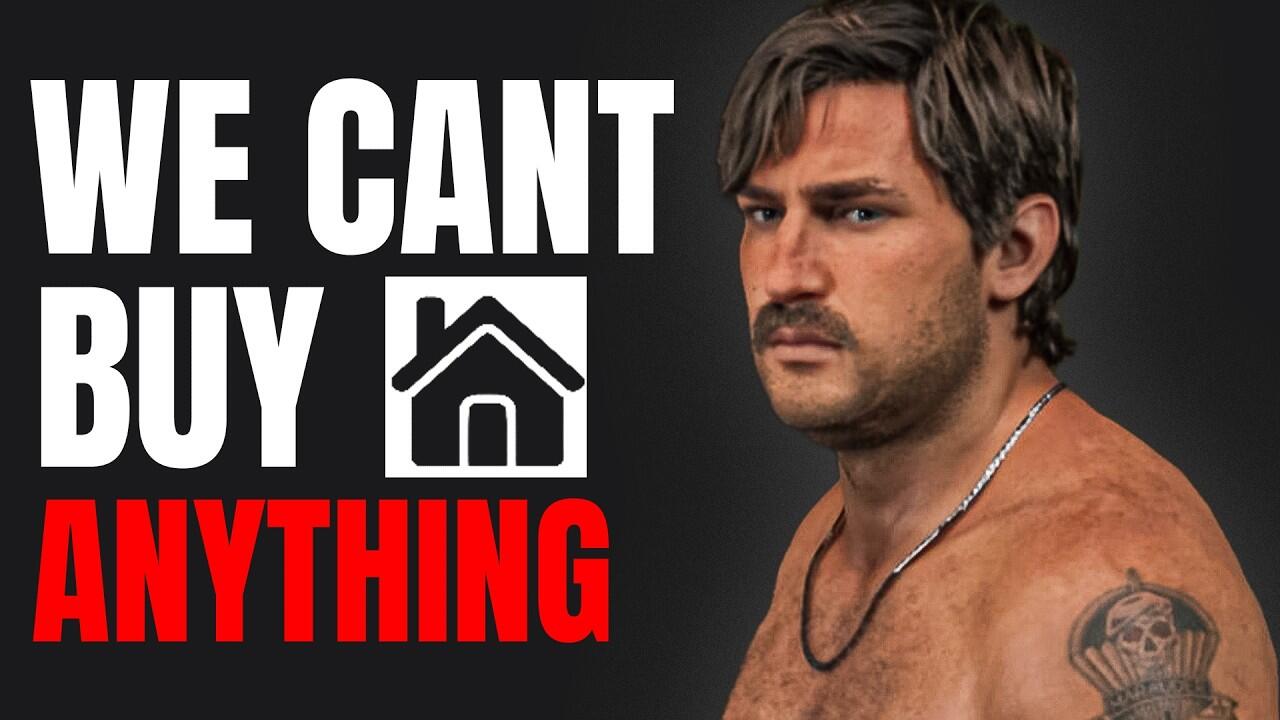
You can hit stores, rob armored trucks, steal and re-register cars, and stack huge piles of cash… yet you STILL can’t buy a house, a beach mansion, a nightclub, or a business empire?! 🏠🚫
Even worse: the “real estate” app reportedly only sells garages—and players are calling out perks tied to pre-orders, Ultimate Edition, and a $7.99/month GTA Plus subscription while story-mode cash feels like numbers ticking up on a screen. Plus, fans are warning each other about a brutal Chapter 1 wipe that takes your money and Jason’s car right out from under you! 💀🔥
Did Rockstar gut the classic rags-to-riches criminal empire loop in favor of strict narrative realism, or is real property ownership being saved for later?
Read the full breakdown before you drop another hour grinding cash 👇🔥
As players dive deep into Grand Theft Auto VI’s return to Vice City, a fierce debate is breaking out across gaming forums and social media over whether Rockstar Games sacrificed the franchise’s classic rags-to-riches progression loop for strict story realism.
For more than a decade, fans of the Grand Theft Auto franchise have dreamed of returning to the neon-soaked streets of Vice City and building a criminal empire from the ground up. Now that GTA 6 is in players’ hands, praise for its visuals, driving physics, and expanded ways to hustle for cash is running headlong into a major point of frustration: many players say there is very little meaningful property to buy in story mode once the money starts rolling in.
The backlash has gained serious traction among content creators and community members who argue that GTA 6 excels at letting players earn money—through store robberies, bank jobs, gang hits, and vehicle theft and re-registration—while falling short on what players can actually purchase with those earnings to transform their standing in Leonida and Vice City.
The Core Complaint: A Broken Risk-Reward Loop
In a commentary video titled “My Biggest Problem With GTA 6…”, YouTuber Hyxx Gaming laid out the frustration that has quickly resonated with thousands of viewers. While praising the game’s graphics, improved driving feel, and overall enjoyment, the creator argued that the game’s economy loses momentum the longer a player builds up real in-game cash.
At the heart of the critique is what game designers often call a positive feedback loop: pulling off risky scores to earn money, then spending that money on major upgrades, homes, or businesses that make the player feel powerful and established in the world.
According to Hyxx Gaming and vocal commenters across Reddit, X, Discord, and TikTok, GTA 6 lets players buy familiar smaller items—weapons, clothing, and car modifications—alongside a limited set of garages, rather than allowing protagonists Jason and Lucia to purchase houses, mansions, nightclubs, dealerships, boatyards, bars, or passive-income businesses that run in the background.
“You take over and run literally nothing,” the creator argued, capturing a sentiment echoed by fans who feel that without major real estate or business ownership, high-stakes robberies begin to feel less rewarding once cash piles up without a flagship outlet to spend it on.
Real Estate App, Garages, and Paywall Friction
A major flashpoint in the community discussion centers on how property and access work in story mode. Players pointing to early-game progression note that after the Chapter 2 mission “Daily Driver,” a Vice City real estate app appears on the in-game phone—sparking immediate excitement among fans hoping to buy luxury penthouses or waterfront properties.
Instead, players report that the app’s offerings are limited to garages—roughly seven properties spread across the map costing around $160,000 combined—serving primarily as vehicle storage rather than income-generating businesses or mission hubs.
Even more contentious among fans is the perception that certain convenience and property perks are tied to paid editions or subscriptions rather than earned through in-game criminal hustle. Discussion across community threads has highlighted:
-
Garages tied to editions and subscriptions: Players have pointed to garages associated with pre-order packs, the Ultimate Edition, and a Chapter 3 Cross Town garage linked to GTA Plus (priced at $7.99 a month in the U.S.), sparking debate over how real-world spending and in-game cash intersect.
-
Store access perks: Pre-launch scrutiny and post-launch player observations have noted access perks tied to the Ultimate Edition—such as entry to select custom shops, salons, tattoo parlors, and related venues—which critics argue feel like a pale substitute for actually owning and operating businesses in the city.
-
Story-dictated safe houses: Rather than letting players pick and buy homes freely across the map, safe houses shift with the narrative—resembling the camp progression model seen in Red Dead Redemption 2—leaving players unable to buy beach houses or apartments they pass during exploration.
The Chapter 1 Wipe Warning Sweeping Social Feeds
Adding fuel to the economic debate is a wave of social media posts warning players about what happens at the end of Chapter 1. According to widespread community chatter on X, TikTok, and Reddit, players lose their accumulated cash and Jason’s car at that narrative turning point.
Some fans view the wipe as an intentional dramatic gut punch that underscores how precarious Jason and Lucia’s life on the run is supposed to feel—a pair scraping by and trying to survive rather than living like kingpins in their first few hours. Others, however, say watching hours of grinding and vehicle upgrades get wiped out—only to find few major long-term property purchases waiting later—makes money feel fleeting and less meaningful.
Industry observers and long-time franchise followers note that this tension between narrative grounding and sandbox wish-fulfillment has long defined open-world crime games. When a story emphasizes desperation, survival, and shifting hideouts, unrestricted mansion buying early on can clash with the plot. Yet when players accumulate substantial wealth later in a playthrough, a lack of aspirational real estate can leave endgame bank accounts feeling like numbers climbing on a screen.
Looking Back at Vice City and Franchise History
Much of the community’s frustration is rooted in memory of how earlier Grand Theft Auto titles handled property and business ownership—especially the original 2002 Grand Theft Auto: Vice City.
In that classic entry, buying properties across the map wasn’t just a cosmetic perk; it was central to Tommy Vercetti’s rise from newcomer to kingpin. Purchasing venues like the Malibu Club, film studio, ice cream factory, cab company, or boatyard tied directly into missions and generated daily payouts that players could swing by to collect.
Fans frequently point to other entries as well:
-
GTA: Vice City Stories: Expanded on territory and business control with an empire-building system where players took over rackets, chose how locations operated, defended turf from rivals, and watched their influence grow across the map.
-
GTA: San Andreas: Allowed CJ to buy safe houses across different regions and environments, giving players personal choice over where their character settled.
-
GTA V (Story Mode): Let Michael, Franklin, and Trevor purchase businesses—such as a car shop, cinema, bar, taxi company, towing business, or golf club—for weekly payouts and select missions, even though many fans criticized those payouts as slow and wanted a deeper system in the sequel.
For many players returning to Vice City after more than twenty years—and after a massive development cycle—seeing fewer traditional property and business-ownership hooks in story mode feels like a step backward from what older games offered.
Theories Behind the Design Choice
Because Rockstar Games has not publicly framed the absence of story-mode business empires as a cut feature, fans and creators have been trading theories to explain why the system looks the way it does.
Some community members suspect narrative design is the primary driver: GTA 6 is structured around Jason and Lucia’s relationship, survival, and story progression rather than solo empire management. Others speculate about development trade-offs and pacing, with some creators suggesting that pushing visual fidelity and story scope may have left less room—or delayed deeper economic systems—for online or post-launch expansion.
At the same time, plenty of players push back against harsher critiques, reminding the community that GTA 6 is a story-driven experience first, that mechanics can evolve over time, and that judging the entire game by one economic aspect overlooks everything else the open world gets right.
Community Divide: Split Reactions Across Platforms
Across Reddit threads, X timelines, Discord servers, and TikTok clips, reactions to the property debate are sharply divided—though nearly everyone agrees the game’s world and money-making activities are generating intense engagement:
-
The “We Need Empires Back” camp argues that robbing stores and banks loses long-term thrill if you can’t invest profits into businesses, turf, or personal dream homes.
-
The “Story Immersion First” camp contends that Jason and Lucia’s arc makes more sense when the narrative controls their circumstances, and that players shouldn’t expect Vice City 2002’s exact business checklist in a modern story structure.
-
The “Wait and See” camp points out that GTA games historically evolve through updates and online modes, leaving open whether deeper property and business mechanics could arrive down the road.
What Comes Next for GTA 6 and Its Economy
As players continue logging dozens of hours across Leonida and Vice City, the conversation around money, property, and progression isn’t going away anytime soon. Whether Rockstar keeps the focus tightly anchored to Jason and Lucia’s narrative arc or expands economic and property options in future updates and online play will be one of the biggest storylines to watch in the months ahead.
For now, GTA 6 has delivered no shortage of action, hustle, and debate—proving that even when players love the world, how they get to spend their hard-earned cash remains one of the most personal issues in Grand Theft Auto.
Để lại một bình luận