A historic three-way summit between Trump, Xi, and Putin just took place in Shenzhen—and experts say the biggest fault line isn’t even with the West. 🚨
Behind the big photo ops and diplomatic headlines, analysts point to growing leverage gaps between Beijing and Moscow, high-stakes talks over nuclear risks and energy, and the looming political powder keg around Russian troop recruitment.
Even former intelligence officials warn that if Moscow pushes recruitment too far into a broader mobilization, the political fallout at home could hit harder than the Kremlin expects—while Ukraine and European allies watch every signal out of Asia and Washington.
Wait until you see why Beijing drives such a hard bargain on energy and arms components, how U.S.-China tech friction hangs over talks, and why experts say a quick peace deal is still far from guaranteed.
Read the full breakdown before the next diplomatic twist hits the feed 👇🔥
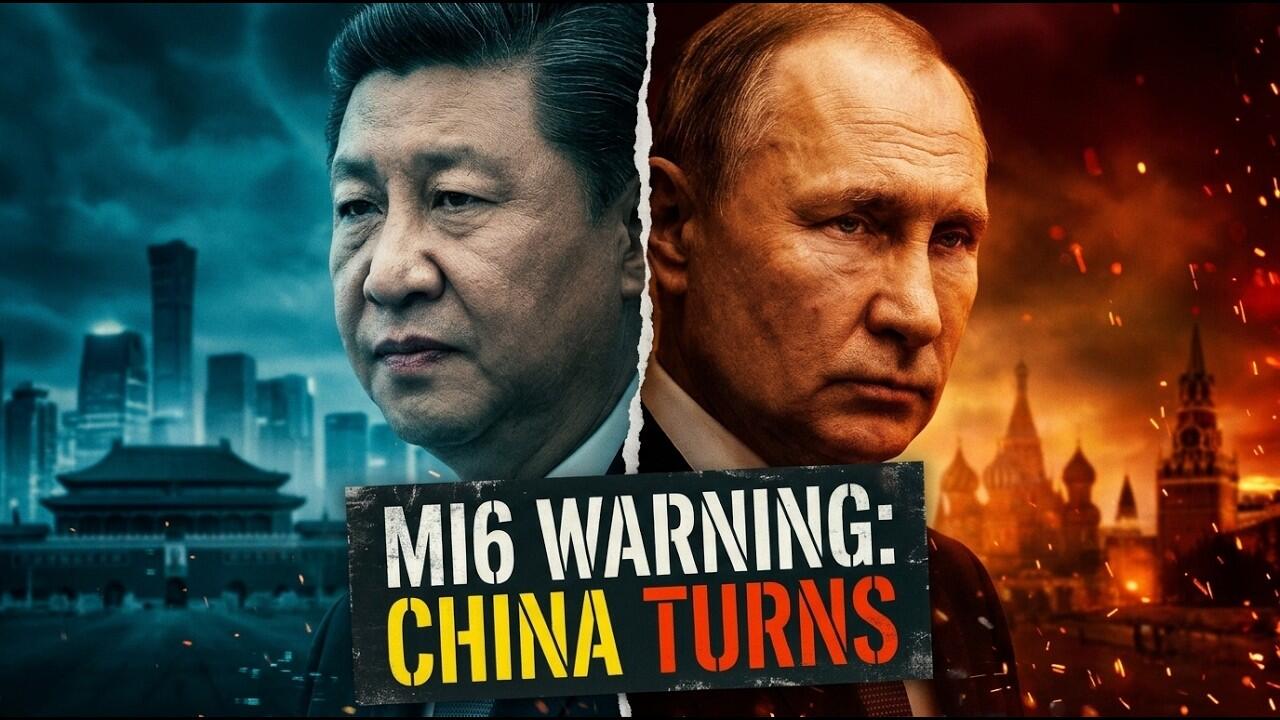
When U.S. President Donald Trump, Chinese President Xi Jinping, and Russian President Vladimir Putin held a rare trilateral meeting on the sidelines of the APEC summit in Shenzhen on November 19, 2026, the images immediately drew comparisons to major Cold War-era gatherings. Yet intelligence veterans, China watchers, and foreign-policy analysts argue that the summit’s real significance lies less in any immediate breakthrough on Ukraine than in the underlying power dynamics between Beijing and Moscow—and the mounting manpower and economic pressures shaping the Kremlin’s choices.
In commentary and interviews following the Shenzhen gathering—including analysis featuring former British intelligence chief Sir Richard Dearlove alongside reporting from international outlets and think tanks—experts examined Xi Jinping’s posture toward Putin, the limits of Beijing’s backing, U.S.-China tensions over technology and security, and the political risks tied to Russian troop recruitment as the war approaches its fifth year.
While Moscow sought visibility and diplomatic relief from years of Western isolation, analysts emphasize that Russia increasingly operates from a position of economic and strategic asymmetry vis-à-vis China, while facing tough trade-offs at home over sustaining its forces without triggering a domestic political backlash.
China’s Leverage and Growing Asymmetry With Moscow
Since Russia’s full-scale invasion of Ukraine in February 2022, Beijing has avoided cutting economic and diplomatic ties with Moscow, purchasing Russian energy and supplying dual-use goods, electronics, and components that help sustain Russian defense production. At the same time, China has consistently sought to avoid Western secondary sanctions on its major banks and state firms while framing its own diplomatic stance around sovereign interests and regional stability.
Analysts and intelligence observers—including assessments highlighted in discussions with Sir Richard Dearlove and research from bodies such as the U.S.-China Economic and Security Review Commission (USCC)—point to a pronounced power imbalance between the two partners:
-
Economic and Trade Weight: China’s economy dwarfs Russia’s, giving Beijing substantial bargaining leverage in trade, financing, and infrastructure negotiations.
-
Energy Bargaining: While Russian crude oil and gas remain major supply streams for China, Russia depends heavily on Asian buyers for export revenue after losing much of its traditional European market—allowing Beijing to negotiate favorable pricing and move cautiously on major long-term commitments such as the proposed Power of Siberia 2 gas pipeline.
-
Sovereignty and Strategic Footprint: Western analysts note that Russia’s isolation has increased Moscow’s openness to Chinese investment and commercial activity in areas such as Arctic shipping and energy projects, even as some Russian officials and commentators chafe at playing the “junior partner” role.
In Shenzhen, the three leaders issued a joint declaration touching on broad themes such as energy flows, nuclear risk reduction, and state immunity principles, while differences over Ukraine, trade, and security remained sharp. Experts noted that Beijing’s preference for a tightly managed format underscored Xi’s desire to project global diplomatic stature without binding China to open-ended obligations over Russia’s war.
Tech Friction, Diplomacy, and Sticking Points Over Ukraine
The November summit unfolded against a backdrop of intense U.S.-China competition over advanced technology, semiconductors, and artificial intelligence—including scrutiny and investigations surrounding semiconductor exports, export controls, and alleged intelligence/compliance risks involving high-tech supply chains.
On Ukraine itself, diplomatic activity has accelerated through multiple channels—including talks involving U.S. envoys, discussions in Europe, and prisoner exchanges—yet fundamental gaps remain unresolved:
-
Territorial and Security Red Lines: Moscow has continued to demand territorial concessions and broader security assurances, while Kyiv has rejected ceding unoccupied or sovereign territory and insisted on credible security guarantees rather than concessions that leave Ukraine vulnerable to future attack.
-
European and Allied Reactions: Following summit-related contacts and U.S. diplomatic messaging, European leaders—including in Berlin and Brussels—have emphasized Ukraine’s sovereignty and European security stakes while continuing to back air defense, munitions procurement, and financial support.
-
Skepticism Over Fast Fixes: Former intelligence officials and foreign-policy analysts caution that high-level meetings or floated frameworks do not automatically translate into a durable peace when core positions on borders and security guarantees remain far apart.
The Recruitment Dilemma: Contract Incentives vs. Mobilization Risk
Inside Russia, sustaining military operations over nearly five years of high attrition has turned troop recruitment into one of the Kremlin’s most sensitive domestic challenges. Rather than relying solely on mass conscription, Moscow has leaned heavily on financial sign-up bonuses, contract soldiers, regional recruitment drives, penal recruits, and foreign nationals—while seeking to avoid the widespread public alarm triggered by Russia’s partial mobilization in late 2022.
Defense analysts and intelligence commentators highlight several intertwined pressures on Russia’s manpower and fiscal model:
-
Rising Costs of Recruitment: Paying high enlistment bonuses and sustaining wartime military spending places growing strain on regional budgets and Russia’s fiscal reserves, especially alongside elevated interest rates, tax pressures, and energy-market fluctuations.
-
The Political Hazard of Mobilization: Observers note that a large-scale mobilization—especially one that reaches more urban or middle-class households rather than disproportionately affecting less affluent or remote regions—would carry significant political risk for Vladimir Putin, recalling how mounting casualties and family grief shaped domestic politics during past conflicts such as Afghanistan.
-
Attrition vs. Momentum: Even as Russian forces continue localized offensive operations in sectors of eastern and southern Ukraine, high casualty rates and equipment losses mean replacing personnel and armor remains an ongoing grind rather than an effortless surge.
How Communities Are Reacting: Reddit, X, Discord, and Experts
Discussions across online platforms and policy communities reflect lively debate over the Shenzhen meeting, Beijing’s posture, and Russia’s recruitment constraints:
-
Reddit (
r/geopolitics,r/worldnews,r/ukraine,r/CredibleDefense): Users have debated whether the trilateral meeting in Shenzhen gave Putin valuable optics on the global stage or highlighted Moscow’s dependence on Beijing, while trading views on how long Russia can sustain contract recruitment without another mobilization wave. -
X (formerly Twitter) & Foreign-Policy Feeds: Analysts, commentators, and OSINT accounts have parsed statements from Washington, Beijing, Moscow, and Kyiv—focusing on energy deals, nuclear-dialogue language, European security coordination, and debates over U.S. aid and congressional dynamics heading into 2027.
-
Discord & Geopolitics/Strategy Servers: Members in international-relations and military-analysis channels frequently examine how economic pressure, sanctions-evasion networks, and manpower attrition interact—debating whether structural strain forces concessions at the negotiating table or prolongs a war of attrition.
-
Think Tanks & Regional Experts: Specialists stress nuance over hype: China’s partnership with Russia brings real material and diplomatic benefits to Moscow, yet it is transactional and asymmetric rather than an unconditional alliance, while Russia’s recruitment system faces real financial and political limits without guaranteeing rapid territorial breakthroughs.
Looking Ahead
As winter sets in across Ukraine and diplomatic contacts continue into the final stretch of 2026 and early 2027, the interplay between great-power diplomacy and domestic pressure inside Russia will remain central to the conflict’s trajectory. Beijing will continue balancing economic and strategic ties with Moscow against its broader trade and security interests, while the Kremlin navigates the delicate line between feeding the front line and avoiding domestic political shockwaves. Whether diplomacy advances or fighting grinds deeper into winter, neither the battlefield nor the diplomatic table offers an easy exit.
Để lại một bình luận