Chinese fighters who signed up to fight alongside Russia just dropped a bombshell about what’s really happening behind the lines—and it’s a total nightmare for Moscow 😱🔥
One self-described Chinese volunteer commander says over two-thirds of his 72-man unit were killed, every single survivor was wounded, and when contract time came around, the promised paperwork and residency vanished into thin air.
How did a one-year deal turn into back-room dismissal papers nobody claims to have signed? Why are Chinese nationalists at home fuming while censors scramble to scrub the backlash—and what happens when the “brotherhood” narrative hits a brick wall? 👀
Watch the full breakdown and see what’s actually going on 👇
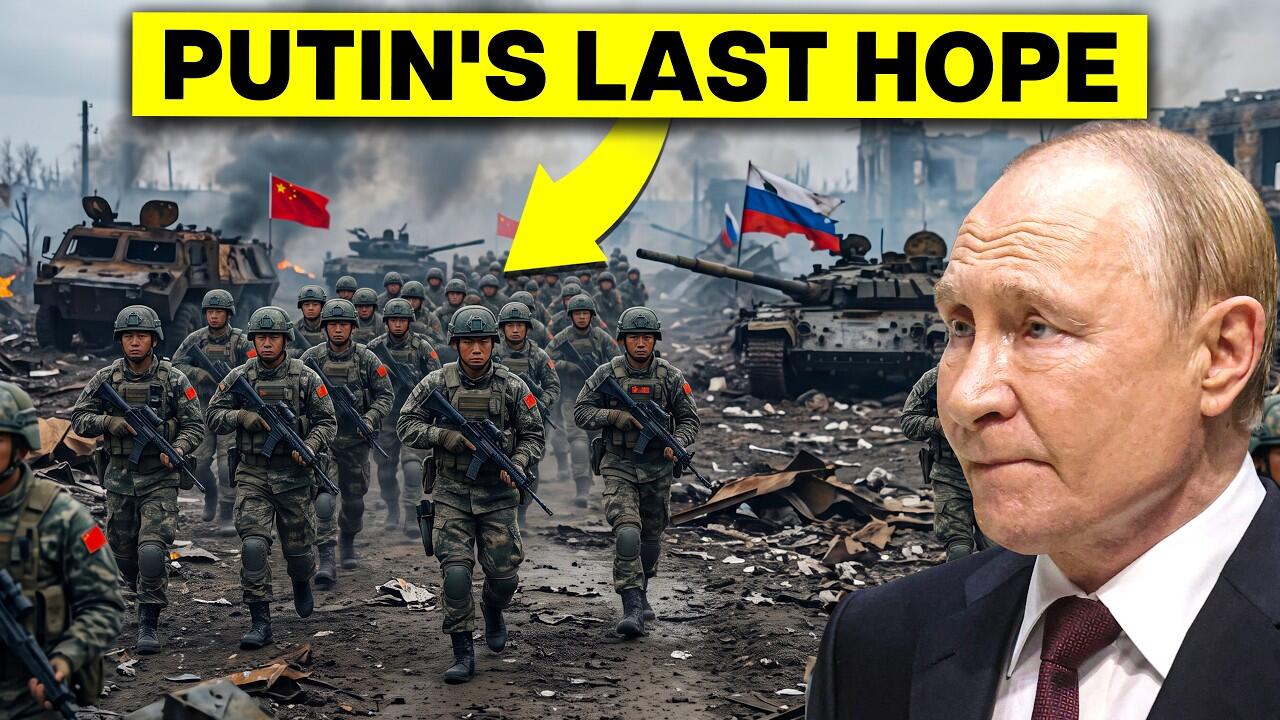
Accounts from Chinese nationals who fought alongside Russian forces—alongside wider reporting on foreign recruits and Beijing’s official posture—have sparked fierce debate over front-line attrition, treatment of foreign troops, and diplomatic messaging.
For years, the Kremlin and Beijing have projected an image of tight strategic alignment, even as China’s government has insisted it is not a party to Russia’s war in Ukraine and has warned its citizens against joining armed conflicts abroad. Yet footage, interviews, and reports involving Chinese nationals fighting on the Russian side—as well as a smaller number of Chinese volunteers serving with Ukrainian forces—have repeatedly pulled back the curtain on the human cost and political friction beneath that narrative.
In a video breakdown examining statements attributed to a Chinese volunteer calling himself “Mao,” alongside broader reporting on Chinese recruits in the Russian military and online reactions, fresh attention has turned to claims of severe unit casualties, hostile treatment from rear-area commanders, and disputes over discharge papers and residency promises after one-year contracts.
While independent verification of individual battlefield accounts and internal military paperwork remains difficult in an active war zone, the claims have resonated across social media and geopolitical forums because they touch on sensitive nerves in both Moscow and Beijing.
What the Account Alleges: Heavy Losses and Post-Contract Disputes
According to the account highlighted in the video, a man identifying himself as Mao—who described leading a 72-man Chinese volunteer group within the Russian armed forces’ 82nd regiment under one-year contracts—painted a grim picture of front-line survival and post-service bureaucracy.
In the statement recounted in the video, Mao claimed that more than two-thirds of the unit’s members died before completing their contracts, that every member suffered wounds, and that by late July 2026 only 22 of the original 72 remained alive, with 10 permanently disabled—including Mao himself, who reported taking shrapnel to the head.
The sharpest grievance in the account centered on what happened after medical treatment and the end of service. Mao alleged that despite expectations of permanent residency upon completing a one-year contract, fighters were abruptly dismissed without clear explanation, pressed to sign documents shortly before their contracts ended, and left without legal standing or residency status when presenting dismissal papers to migration authorities—blocking them from working, remaining legally in Moscow, or pursuing appeals through military legal channels.
At the same time, the account drew a sharp contrast between rank-and-file comrades and senior leadership: while ordinary soldiers on the front line were described as friendly and supportive, rear-area brass were accused of hostility, indifference, and mocking remarks about survival. Even so, the speaker insisted Chinese volunteers came voluntarily to help Russia rather than for money, urging Russians to remember Chinese blood shed in the fight.
Broader Context: Foreign Recruits, POWs, and Beijing’s Tightrope
The emergence of personal accounts from Chinese fighters sits within a wider pattern documented by international media, intelligence officials, and researchers since 2025. Ukrainian officials, including President Volodymyr Zelenskyy, have publicly reported capturing Chinese nationals fighting for Russian forces in eastern Ukraine—such as in Donetsk Oblast in spring 2025—and estimated that from roughly 155 to a few hundred Chinese citizens have fought or signed contracts with the Russian side, even as Western and Ukrainian officials have generally noted they had not seen evidence of direct state direction from Beijing.
Captured Chinese nationals interviewed by reporters and Ukrainian authorities in 2025 described varied motivations and backgrounds, ranging from financial incentives and online recruitment to trusting narratives of Russia-China friendship, while expressing regret once confronted with modern drone and artillery warfare. Conversely, investigative and news reporting in 2025 and 2026—including coverage from outlets such as The Guardian—has also documented a small number of Chinese nationals volunteering on the Ukrainian side, often facing intense concern over potential scrutiny or risks back home.
Beijing, meanwhile, has consistently maintained that it does not send troops to the war, advises citizens to avoid conflict zones, and opposes mercenary activity. At the same time, Western governments and European officials have repeatedly accused Chinese firms and dual-use supply chains of aiding Russia’s defense-industrial base—allegations Beijing disputes while defending normal commercial trade and pushing for diplomatic settlement talks.
Inside China’s information environment, narratives around Russia have long carried domestic sensitivities. While state-backed messaging and a portion of public opinion have favored alignment with Moscow as a strategic counterweight to Washington, nationalist commentary online has periodically resurfaced historical grievances over 19th- and 20th-century border treaties and territories ceded by Qing-era China to the Russian Empire—prompting strict censorship by authorities to keep domestic nationalism aligned with official foreign policy.
What the Community Is Saying: Reddit, X, and Defense Forums
Statements from foreign fighters on both sides of the conflict routinely ignite heated exchanges across online communities, where users debate credibility, propaganda, and broader geopolitical motives.
On Reddit—including forums such as r/UkraineWarVideoReport, r/RussiaUkraineWar, and r/China—commenters have dissected claims of high casualty rates and contract disputes. Skeptical users often caution that unverified social-media videos or single-source testimonies can exaggerate numbers or carry their own spin, while others point to documented reports of contract confusion, bureaucratic hurdles, and high attrition in assault units across the war as reason to take complaints about pay, benefits, and discharge paperwork seriously.
On X (formerly Twitter), Telegram channels, and OSINT (open-source intelligence) circles, discussions have focused heavily on two questions: first, whether individual Chinese nationals are acting largely as independent mercenaries or adventurers rather than state-deployed forces; and second, how awkward such stories can be for both the Kremlin’s recruitment pitch and Beijing’s efforts to manage its international image and domestic social media narratives.
What Happens Next?
As the conflict grinds on, several developments will shape how episodes involving Chinese fighters play out:
-
Verification and documentation: Whether independent journalists, researchers, or official records corroborate specific claims regarding unit numbers, casualty rates, and residency or discharge disputes.
-
Recruitment and legal enforcement: Whether Russian enlistment channels tighten or alter terms for foreign contract soldiers, and how Chinese authorities enforce warnings and travel or legal scrutiny against citizens tied to the conflict.
-
Information and narrative management: How Moscow and Beijing handle stories that clash with official messaging—whether by ignoring them, disputing their authenticity, or tightening online moderation.
For observers tracking the war beyond the front lines, accounts like Mao’s highlight a recurring reality of modern conflicts: when foreign recruits enter a grinding war of attrition, expectations formed before deployment often collide harshly with battlefield realities and bureaucratic red tape.
Để lại một bình luận