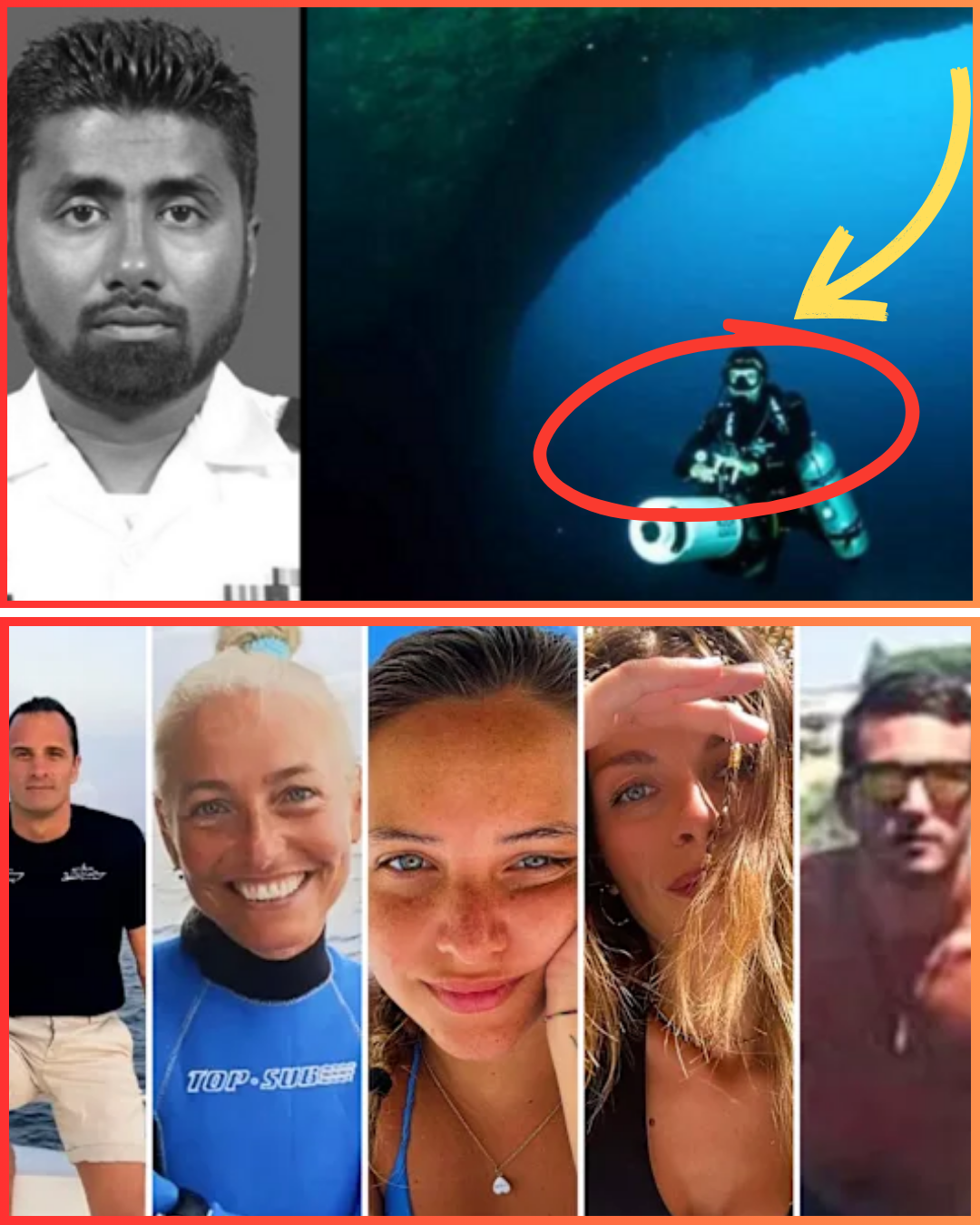
Experienced divers around the world are expressing disbelief over the circumstances of the May 14, 2026, incident in Vaavu Atoll, Maldives, where five Italian visitors failed to resurface from a deep cave exploration. The group, which included prominent marine biologist Monica Montefalcone and her daughter Giorgia Sommacal, reportedly descended to depths around 50-60 meters (164-197 feet) — roughly 60 feet beyond typical recreational limits in the Maldives. This has sparked intense debate, but one specific detail in the trip planning is now drawing particular scrutiny and controversy.
The recreational depth limit in the Maldives is generally 30 meters (about 98 feet) for standard operations. Many operators and local regulations treat anything deeper as technical diving, requiring specialized training, gas mixes, equipment, and often explicit approvals. The cave system near Alimathaa island features an entrance at approximately 50-55 meters, with chambers extending deeper. At these depths, divers face heightened risks including nitrogen narcosis, oxygen toxicity, rapid gas consumption, silt-outs, and challenging navigation in overhead environments.
A major point of contention is the claim by the Italian tour operator managing aspects of the trip that they did not authorize or have knowledge of the deep cave penetration. According to reports, the operator’s lawyer stated the group proceeded with a plan that went well beyond what was approved or disclosed for the excursion from the liveaboard Duke of York. This has raised questions about dive briefing accuracy, adherence to submitted plans, and whether the full extent of the intended exploration — including the cave at significantly greater depth — was properly communicated or permitted.
Veteran Maldivian divers have alleged that “everyone knows the rules were broken,” pointing to the absence of required local authorizations for such a technical cave dive and the potential lack of a local guide familiar with the site’s specific hazards. The Duke of York’s operating license has been suspended indefinitely pending the outcome of the investigation, highlighting regulatory concerns.
Experienced technical divers commenting on the case note that even highly skilled individuals treat cave dives at this depth with extreme caution. Proper protocols typically include trimix gases (not standard air), staged decompression, precise turnaround times, and redundant equipment. Many are questioning how the trip plan accounted for these elements and why the group entered the overhead environment under reported conditions, including a yellow weather warning and strong currents in the Devana Kandu channel.
Monica’s husband, Carlo Sommacal, has been vocal in defending the group’s expertise and preparation. He describes his wife as “among the best divers on the face of the earth” and “meticulous,” emphasizing that she would never recklessly endanger their daughter or others. “Something must have happened down there,” he has repeatedly said, suggesting possible equipment issues, an unforeseen emergency with one diver, or environmental factors that escalated quickly. He hopes his wife’s GoPro footage will eventually provide clearer answers.
The group consisted of:
Monica Montefalcone (52), associate professor of ecology at the University of Genoa, a leading expert in seagrass meadows, marine caves, and climate impacts on marine habitats. She was in the Maldives for scientific monitoring work, though the specific cave dive was a private activity.
Giorgia Sommacal (around 22), her daughter and a biomedical engineering student.
Research fellow Muriel Oddenino.
Recent graduate and diving instructor Federico Gualtieri.
Gianluca Benedetti, operations manager and diving instructor on the Duke of York.
A sixth University of Genoa student reportedly opted out at the last minute.
Maldivian authorities, in coordination with Italian officials, are examining gas mixtures, dive computers, equipment condition, weather impacts, and compliance with depth and planning regulations. Abnormal oxygen readings and reports of depleted tanks have added layers to the technical analysis. Recovery efforts have been extremely difficult due to the cave’s complexity, silt, currents, and depth. A Maldivian military diver tragically faced severe complications during search operations, underscoring the site’s dangers.
International cave diving specialists from Italy and Finland have offered or joined assistance. The focus remains on safe, methodical recovery while piecing together the sequence of events.
This incident has ignited broader conversations about oversight of technical dives on liveaboards in popular destinations like the Maldives. While the country attracts thousands of divers annually for its stunning reefs, pushing beyond recreational limits into caves demands rigorous adherence to advanced standards. Questions persist about pre-dive approvals, operator responsibility, and the balance between adventure and safety when experienced divers plan their own extensions.
Monica Montefalcone dedicated her career to understanding and protecting underwater ecosystems. Her work on habitat restoration and public education through television left a lasting impact. Colleagues remember her as a passionate scientist and mentor who encouraged direct observation of the marine world.
For Carlo Sommacal and the other families, the wait for definitive answers continues amid profound loss. They must also support their surviving son, Matthew. The controversy over the trip plan and depth decisions may yield important lessons for preventing future incidents, even as the exact triggers underwater remain under investigation.
As analysis proceeds, the diving world is watching closely. What was intended as an exploration aligned with scientific curiosity has prompted urgent reflection on planning, permissions, and the limits of even the most prepared divers in challenging environments.
Để lại một bình luận