Of the four Oak Ridge Boys who recorded “Before I Die” back in 2011, only TWO are still standing today to sing it. 💔🎶
Joe Bonsall passed away in July 2024. Then on November 14, Richard Sterban—the unmistakable bass voice that rumbled through “Elvira”—died at 83.
For years, whenever the Oaks performed “Before I Die” live, something deeply personal played on the screen behind them. Until April, the ONLY way anyone could ever see it was by buying a ticket and sitting inside one of their concerts.
What was hidden in that private visual—built from photos William Lee Golden quietly started taking at age 69 back in 2008—and why did the band finally release it to the entire world right before losing another legend?
Fans are tearing up over the secret meaning behind those road photos and what happens next for the last surviving voices 👇🔥
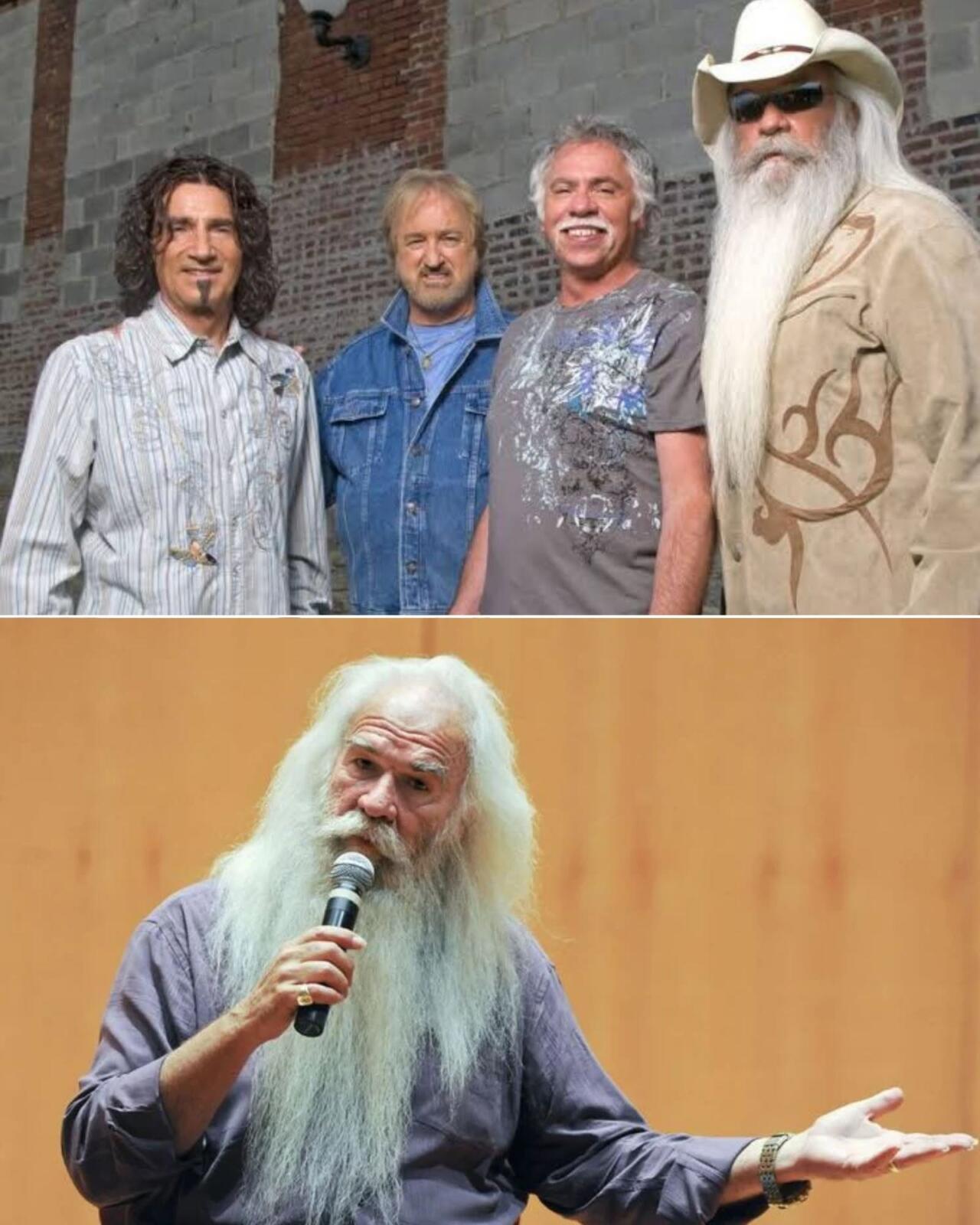
When the Oak Ridge Boys stepped into the studio in 2011 to record “Before I Die,” four distinct voices anchored one of country and gospel music’s most recognizable vocal harmonies. Today, only two of those four men remain alive to sing it.
Tenor Joe Bonsall died in July 2024. Months later, on November 14, legendary bass singer Richard Sterban—whose deep, booming vocal propelled the group’s signature hit “Elvira” into pop-culture immortality—passed away at age 83.
Yet as fans mourn the loss of two foundational pillars of the quartet, another layer of “Before I Die” has drawn renewed attention across social media and music forums: a deeply personal video created from the private road photography of baritone William Lee Golden. For years, the clip was reserved strictly for live concertgoers, playing on the screen behind the group during performances before finally being released to the general public in April.
Across X, Reddit, TikTok, and Discord, longtime followers and younger country listeners alike are revisiting the story behind the footage—examining how a hobby Golden picked up at age 69 became a visual time capsule for a band confronting mortality, memory, and the end of an era.
Two Losses That Reshaped a Legendary Quartet
Few vocal groups in American music history have maintained the unbroken continuity of the Oak Ridge Boys’ classic lineup. For decades, the interplay between Bonsall’s soaring tenor, Sterban’s unmistakable bass, Duane Allen’s lead vocals, and Golden’s rich baritone defined the group’s live shows and studio recordings.
When the quartet recorded “Before I Die” in 2011, the song carried reflective weight—an unhurried meditation on gratitude, perspective, and the things a person hopes to witness or hold onto before life’s final curtain.
Over the span of roughly two years, however, the lyrics shifted from reflective songwriting to stark lived reality:
-
July 2024: Joe Bonsall passed away, silencing one of country music’s most energetic stage performers and recognizable tenor voices.
-
November 14: Richard Sterban died at 83, taking with him the thunderous bass rumble that anchored “Elvira” and gave the Oaks’ four-part harmony its unmistakable foundation.
With Bonsall and Sterban both gone, only two of the four singers who originally recorded “Before I Die” in 2011 remain here to perform it. For audiences watching archival clips or following the group’s ongoing legacy, every verse now lands with double the emotional gravity.
The Hidden Concert Video Only Ticket Holders Could See
Long before “Before I Die” became a point of public mourning, the song occupied a quiet, sacred space in the Oak Ridge Boys’ live setlist.
Whenever the group sang it on stage, a dedicated video played on the large screen behind them. Unlike standard tour visuals filled with promotional graphics, concert highlights, or stylized animations, this video was built entirely from William Lee Golden’s own private photographs—images he personally captured while traveling out on the road.
For years, that visual montage remained an insider experience. Unless you sat in a theater seat, arena, or fairground grandstand at an Oak Ridge Boys show, you never saw it. There was no official upload, no streaming link, and no social media teaser. It existed solely in the shared dark of live venues while the four men harmonized in front of it.
That exclusivity finally ended in April, when the band released the video publicly for everyone to watch. At the time of its April rollout, fans viewed it as a generous gift—opening up a cherished concert moment to listeners who couldn’t make it to a show. Looking back after Sterban’s passing on November 14, many fans now view that April release as an unexpectedly poignant decision that preserved the visual companion to the 2011 recording while Sterban was still alive.
Why William Lee Golden Started Shooting at 69
The photographs inside the “Before I Die” video trace back to a specific turning point in William Lee Golden’s life offstage.
In 2008—the year he turned 69—Golden began shooting digital photography and made a habit of taking pictures on every single trip from that point forward. While many artists step back or scale down their creative pursuits approaching their seventies, Golden leaned into a brand-new medium.
His motivation was straightforward and deeply human: he wanted to remember the places he had been and the roads that carried him there.
Decades on a tour bus can blur cities, highways, sunrise rest stops, and backstage corridors into an indistinguishable stretch of miles. By picking up a digital camera in 2008 and documenting trip after trip, Golden created a personal archive of life in motion—capturing landscapes, fleeting light, and quiet roadside moments through the eyes of someone who spent his life traveling to sing for strangers.
Weaving those private road photographs into the backdrop for “Before I Die” fused two sides of Golden’s life: the public voice fans heard from the stage and the solitary observer behind the lens looking out the window at the miles passing by.
How Online Communities Are Reacting to the Story
Following Richard Sterban’s passing on November 14 and the renewed circulation of the “Before I Die” video released in April, fans and music observers across major platforms have been dissecting both the tragedy and the artistry behind the footage:
-
On X (formerly Twitter): Country music fans and historians have widely shared side-by-side reflections noting that only two of the four singers from the 2011 recording remain. Many users highlighted the detail that Sterban—famous worldwide for his bass line on “Elvira”—brought quiet restraint to “Before I Die,” calling the April public release of the video a vital piece of country music preservation.
-
On Reddit: In country music and classic-rock/americana subreddits, discussions have focused heavily on William Lee Golden starting digital photography at age 69 in 2008. Commenters praised the idea of picking up a new artistic discipline late in life simply to remember the roads traveled, while several longtime concertgoers recalled seeing the montage live years before its April public release.
-
On TikTok: Short-form tribute videos pairing Sterban’s “Elvira” bass runs with quieter moments from “Before I Die” have resonated across generational lines. Younger creators in particular have latched onto the contrast between the arena-shaking novelty of “Elvira” and the quiet, road-weary intimacy of Golden’s personal photos.
-
On Discord: Music-production and tour-history servers have examined how live visuals elevate legacy acts. Members noted that keeping the video exclusive to live concerts for years gave ticket buyers a genuine emotional reward, while releasing it in April ensured the visual story wouldn’t remain locked in tour archives.
Across all four communities, the tone blends grief with admiration. Rather than focusing on tabloid speculation, listeners have gravitated toward the authenticity of a band member documenting his own journey at 69 and sharing those memories alongside a song recorded with bandmates who are no longer here.
Industry Context: Legacy Bands, Tour Archives, and Late-Career Creativity
The story surrounding “Before I Die” touches on three major currents shaping legacy music acts in the modern era:
-
The Transition From Stage Exclusivity to Digital Preservation: Historically, many of the most moving moments in country music lived exclusively inside concert halls—spoken introductions, custom slide shows, and unrecorded visual tributes. When bands like the Oak Ridge Boys eventually release concert-only visuals online, as they did in April, they bridge the gap between live-tour intimacy and permanent digital history.
-
Reinventing Creative Habits Later in Life: Golden’s decision in 2008 at age 69 to begin shooting digital photos on every trip challenges conventional narratives about aging in entertainment. Instead of treating touring as routine repetition, he turned every mile into raw visual material—ultimately producing the exact imagery that now anchors one of the group’s most poignant recordings.
-
The Fragility of Classic Vocal Lineups: Vocal quartets rely on irreplaceable chemistry. When half of the 2011 recording lineup—first Joe Bonsall in July 2024, and then Richard Sterban on November 14 at 83—is lost within a short span, songs about reflection and gratitude inevitably transform into living memorials.
Music industry analysts note that audiences increasingly crave unvarnished, personal artifacts from veteran artists. Polished behind-the-scenes documentaries have their place, but a collection of real road photographs taken by a 69-year-old singer who simply wanted to remember where he had been carries an emotional weight no studio crew can replicate.
What Comes Next for the Oak Ridge Boys’ Musical Legacy
With Joe Bonsall and Richard Sterban both gone, the remaining members of the 2011 “Before I Die” session carry forward a catalog spanning decades of country, pop, and gospel milestones.
In the months ahead, music historians and fans expect heightened streaming interest not only in signature hits like “Elvira,” where Sterban’s bass voice became an indelible part of American music, but also in deeper album cuts like “Before I Die.” Meanwhile, the public availability of William Lee Golden’s road-photo video—unlocked from concert screens in April—ensures that new listeners discovering the song can experience it with the exact visual backdrop the band intended.
For a group built on four-part harmony and millions of miles on American highways, the images Golden started capturing in 2008 now serve a purpose even larger than personal memory. They stand as a quiet record of the roads four friends traveled together—and a lasting reminder of the voices that filled the miles along the way.
Để lại một bình luận