Alan Jackson’s farewell gift to country music just hit fans right in the chest—and it starts with a storm-delayed night at Nashville’s Nissan Stadium. ⛈️🎸
On November 23, Alan released a live recording of “Drive (For Daddy Gene)” captured on June 27 during the FINAL full-length concert of his career—one of 25 tracks set for the full live album dropping December 4.
Most fans know the song. What many forget is how close it came to NEVER existing.
After his father, Eugene Jackson, passed away in January 2000, Alan tried multiple times to write a tribute—yet every single draft turned into a heavy, sad song about dying. Daddy wasn’t a man of many words, Alan explained, so he scrapped the sadness and wrote down what actually happened instead: a secondhand plywood boat, an old Ford truck, and one unforgettable final verse about his own three daughters behind the wheel of an old Jeep.
Hearing that stadium crowd sing every word back on his final night has country fans breaking down—here’s what happened during that one-hour storm delay and why this live cut hits differently than the original 👇🔥
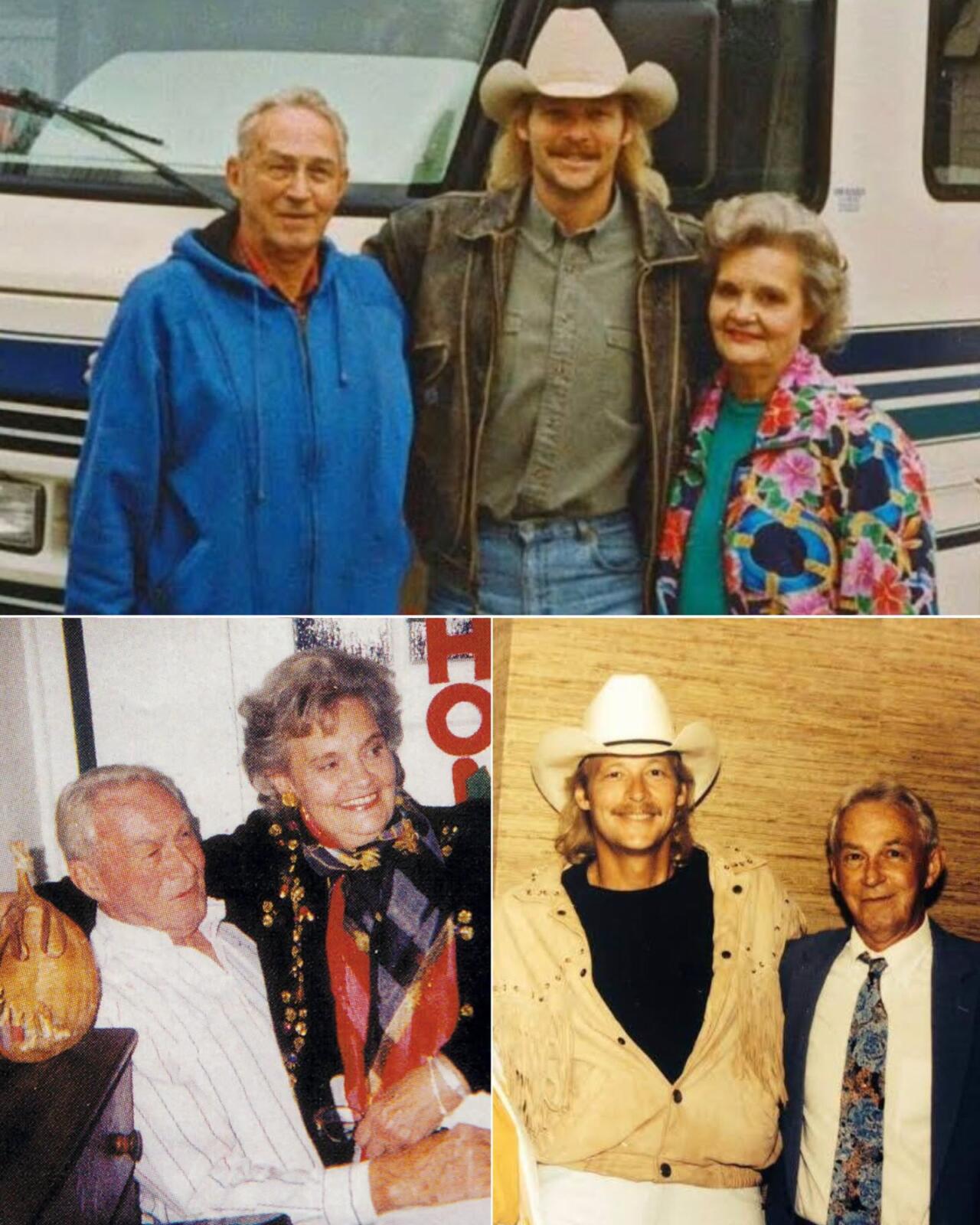
The song Alan Jackson wrote for his late father—and for his three daughters—has arrived in a new, career-defining form: a live recording captured during the final full-length concert of his career.
Released on November 23, the live version of “Drive (For Daddy Gene)” was recorded on June 27 at Nashville’s Nissan Stadium, on a night when a storm delayed the show by roughly an hour before Jackson took the stage. The track serves as one of 25 songs featured on the full live album documenting that historic evening, scheduled for release on December 4.
For longtime country listeners, “Drive (For Daddy Gene)” has stood for more than two decades as one of Jackson’s most personal compositions. Yet hearing it performed live on the final full-length night of his touring career adds a poignant new chapter to a song born out of grief, creative frustration, and the quiet lessons passed down from a father who rarely wasted words.
Across X, Reddit, TikTok, and Discord, fans have been dissecting every detail of the November 23 release—from the one-hour weather delay at Nissan Stadium to the behind-the-scenes backstory of how Jackson rejected sad songs about death in favor of real memories involving a plywood boat, an old Ford truck, and a pasture Jeep.
June 27 at Nissan Stadium: A Weather Delay Before the Final Curtain
Setting the stage for the final full-length concert of a Hall of Fame career rarely goes completely according to script. On June 27 in Nashville, thousands of fans packed into Nissan Stadium had to wait through a storm that pushed the start of the show back by about an hour.
Rather than dampening the atmosphere, weather delays at outdoor stadium milestones often heighten the collective anticipation. By the time the storm cleared and Jackson began working through a 25-song setlist that would later be preserved for the December 4 live album, the crowd’s energy carried the weight of a final gathering.
When “Drive (For Daddy Gene)” arrived in the set, it bridged two generations of Jackson’s life in front of a hometown stadium audience. The November 23 single release gives listeners outside Nissan Stadium their first official preview of how that performance sounded—capturing not just Jackson’s vocal delivery on his final full-length concert night, but the unmistakable resonance of a song that defined his storytelling approach.
Why Alan Jackson Refused to Write a Sad Song About Dying
To understand why the live recording of “Drive (For Daddy Gene)” resonates so deeply, fans point back to how the song was written following the death of Jackson’s father, Eugene Jackson, in January 2000.
In the wake of losing his father, Alan Jackson tried more than once to put his feelings into a song. Each early attempt, however, ran into the same creative wall: every draft turned into a sad song about dying.
For Jackson, that tone felt wrong. He wanted something nice instead—something that reflected who Eugene Jackson actually was rather than the sorrow of his passing. As Jackson explained, his daddy didn’t say much, but he passed along his love for cars and machines through quiet, shared experiences.
Instead of reaching for poetic grief or dramatic farewells, Jackson stripped the songwriting down to concrete, lived facts. He wrote down what really happened:
-
The Secondhand Plywood Boat: Childhood afternoons when Daddy let a young boy take the wheel and steer, trusting him with a sense of responsibility that felt larger than life.
-
The Old Ford Truck: Driving lessons and rides that made a little boy feel like a race car driver behind the wheel, turning ordinary small-town moments into core memories.
-
The Old Jeep Across the Pasture: A closing verse shifting forward a generation—capturing Jackson letting his own three daughters drive an old Jeep across the pasture at home, continuing the exact same quiet tradition Eugene had started with him.
By grounding the lyrics in a secondhand plywood boat, an old Ford truck, and a family pasture, Jackson turned a tribute to his late father into a living bridge connecting his dad, himself, and his daughters.
From Personal Memoir to a 25-Song Career Finale
The structural arc of “Drive (For Daddy Gene)” always depended on time passing—moving from a boy sitting beside Eugene Jackson to a father watching his own daughters learn to drive.
Hearing that exact progression performed on June 27 at Nissan Stadium, during the final full-length concert of Jackson’s career, gives the final verse an extra layer of meaning. The song is no longer just about a father looking back at his childhood while raising three girls; it is an artist looking back across an entire career on the final full-length night he would ever command a stadium stage.
Placing the live track among the 25 songs on the upcoming December 4 album anchors the entire project in authenticity. While stadium farewell records are often defined by high-energy hits and arena singalongs, releasing “Drive (For Daddy Gene)” on November 23 signals that the heart of the June 27 show lies in quiet, autobiographical storytelling.
How Fans and Online Communities Are Reacting
Since the live track dropped on November 23 ahead of the December 4 album release, country music fans across major social platforms have weighed in on both the performance and the story behind it:
-
On X (formerly Twitter): Concertgoers who attended the June 27 show at Nissan Stadium have been sharing firsthand recollections of waiting out the roughly one-hour storm delay before hearing the 25-song set. Many noted that hearing “Drive (For Daddy Gene)” live in Nashville knowing it was his final full-length concert made the closing verse about his three daughters hit harder than ever.
-
On Reddit: In country music and songwriting threads, users have focused heavily on Jackson’s writing process after Eugene Jackson died in January 2000. Commenters praised his discipline in scrapping early drafts that turned into sad songs about dying, calling the specific details—the secondhand plywood boat, the old Ford truck, and the old Jeep in the pasture—a masterclass in showing rather than telling.
-
On TikTok: Creators have been pairing snippets of the November 23 live release with personal videos of fathers teaching their kids to drive, or vintage family photos of old Ford trucks and boats. Comments frequently highlight the line about Daddy not saying much yet passing down his love for cars as deeply relatable across rural and suburban families alike.
-
On Discord: Country music and live-recording communities have been discussing the production and pacing of the upcoming December 4 live album. Members pointed out that capturing a 25-song setlist after a one-hour weather delay at an outdoor venue like Nissan Stadium preserves the raw, unscripted atmosphere of a genuine milestone night.
Across all four platforms, the reaction avoids sensationalism and focuses squarely on craft and emotion. Listeners repeatedly emphasize that Jackson never needed theatrical storytelling; simply writing down what really happened created a song strong enough to anchor his final full-length concert.
Industry Context: Live Farewell Albums and Autobiographical Country Songwriting
Within modern country music, the release of a 25-song live album from a farewell stadium concert carries significant weight. Over the past decade, legacy artists have increasingly used live recordings not merely as greatest-hits souvenirs, but as definitive historical documents of their final tours.
The rollout of “Drive (For Daddy Gene)” on November 23 ahead of the December 4 full album highlights three enduring truths about Jackson’s place in the genre:
-
Specificity Outlasts Sentimentality: When Eugene Jackson passed away in January 2000, a conventional tearjerker might have earned brief radio rotation. By refusing to release a sad song about dying and instead documenting a plywood boat and an old Ford truck, Jackson wrote a standard that still commands stadium-sized emotion decades later.
-
Generational Continuity: Few country songs seamlessly transition from honoring a parent to celebrating one’s own children within three verses. Including his three daughters driving an old Jeep across the pasture at home transformed a personal memorial into a universal family cycle.
-
The Power of Unscripted Live Moments: A storm delaying a show by an hour on June 27 at Nissan Stadium could easily have disrupted a lesser performer. Instead, that shared patience between artist and audience became part of the lore surrounding the 25-song recording.
Music historians note that live recordings from an artist’s final full-length concert serve a unique archival role: they freeze the exact moment when decades of studio craft meet the final roar of a live crowd.
What Comes Next Ahead of December 4
With the November 23 release of “Drive (For Daddy Gene)” already circulating among fans, attention now turns to December 4, when the complete 25-song live album from June 27 at Nashville’s Nissan Stadium arrives in full.
For listeners who endured the one-hour storm delay in person—and for millions more who followed Alan Jackson’s career from afar—the full tracklist promises a complete portrait of his final full-length concert night. Yet even within a 25-song setlist packed with career-defining hits, “Drive (For Daddy Gene)” holds a singular place.
More than a quarter-century after Eugene Jackson died in January 2000, the quiet man who didn’t say much—but gave his son a love for cars, a turn steering a secondhand plywood boat, and memories behind the wheel of an old Ford truck—remains right at the center of Alan Jackson’s final bow.
Để lại một bình luận