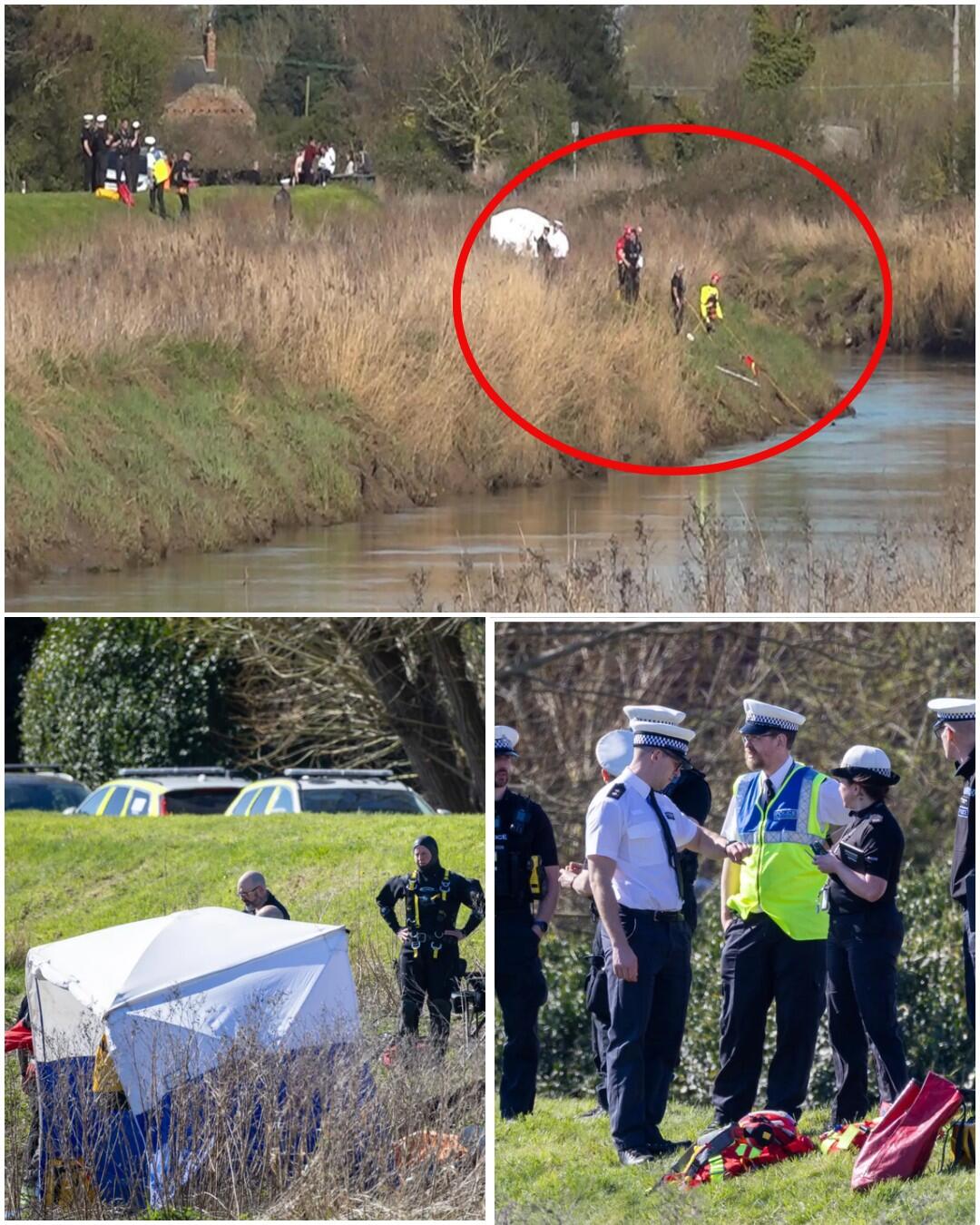
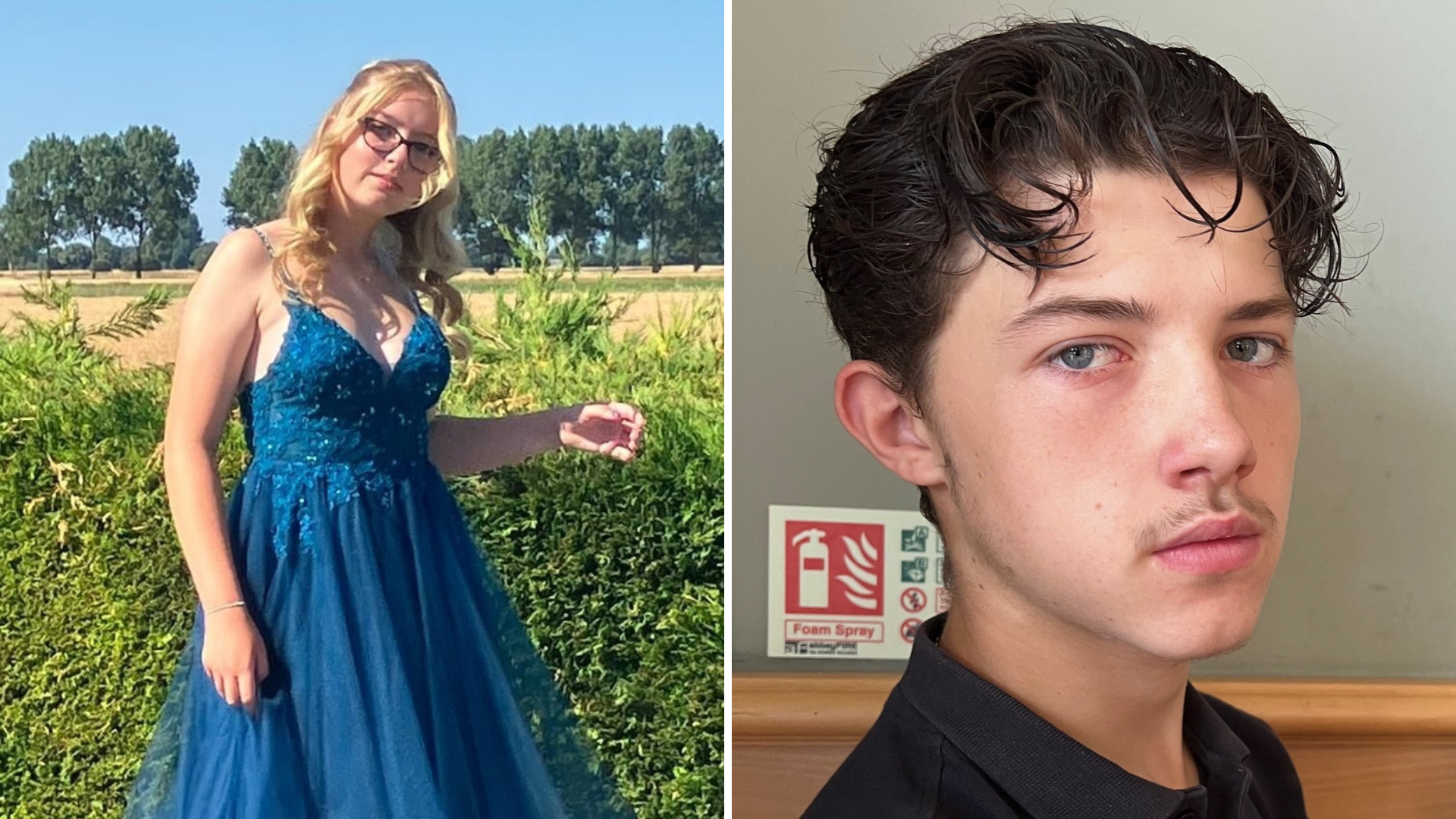
In the quiet market town of Wisbech, Cambridgeshire, a routine evening drive among friends turned into a nightmare on March 17, 2026. A blue Volkswagen Polo carrying five teenagers plunged off North Brink into the cold, tidal waters of the River Nene shortly after 8:20 p.m. One passenger, 16-year-old Eden Bunn from nearby Sutton Bridge, did not survive. The presumed driver, 18-year-old Declan Berry of Wisbech, remains missing despite days of intensive searches. Three other teenagers escaped with non-life-threatening injuries. But as the car was recovered on Sunday and searches continue along the riverbank, one survivor’s harrowing account of “45 terrifying seconds” trapped inside the sinking vehicle has collided with conflicting testimony from another, fueling a storm of online speculation about who—or what—could have done more to save the missing boy.

The facts of the crash, as pieced together by Cambridgeshire Police and local witnesses, paint a picture of sudden catastrophe on a deceptively straight stretch of road. The single-track carriageway, bordered by a high grass bank and intermittent metal barriers, is known locally for its poor surface and history of near-misses. One resident who arrived first on scene, Billy Cunningham, told reporters the survivors described the car hitting a pothole, causing the driver to lose control before it careered through the barrier and into the river, which can reach depths of nine to 15 feet depending on the tide. Emergency services responded swiftly, but the vehicle’s submersion left little time for escape. The three survivors—two 16-year-old girls and one 18-year-old boy—managed to clamber out, with one girl reportedly smashing a window and cutting her hands in the process. They were rushed to Queen Elizabeth Hospital in King’s Lynn. Eden Bunn’s body was recovered the following day, Wednesday, March 18. The Polo itself was lifted from the water on Sunday with specialist diving teams; no additional occupants were found inside.
Police have been circumspect about the cause, appealing for dashcam footage and witnesses from the 7 p.m. to 8:20 p.m. window. Detective Inspector Craig Wheeler of the Serious Collision Investigation Unit described the incident as “truly devastating” and emphasized the “challenging nature” of the river, which has complicated recovery efforts. Increased patrols now line the Nene as searches persist for Declan, who had only passed his driving test two months earlier and was behind the wheel of his beloved VW Polo. Friends and family insist he was a careful, responsible young man—no alcohol was involved, according to those close to the group—and that the crash was simply a tragic accident on a notoriously tricky road.
Yet it is the intimate, chaotic moments inside the sinking car that have captivated public attention and divided online communities. Circulating on social media platforms, particularly through Facebook groups and local news aggregators, are unverified but vivid accounts from the survivors. One teenager described what they called “45 terrifying seconds” of panic as water rushed in, the vehicle rolling and settling on its side or roof. In this version, the interior quickly filled with icy river water, doors jammed by pressure, and the group scrambling in near darkness. The survivor portrayed Declan as eerily silent amid the chaos—no screams, no frantic calls for help—focusing instead on trying to help others or fighting the current himself. Details emerged of a “strange movement” inside the car moments before impact: perhaps a hand on the wheel, a sudden glance, or an unexplained shift that some interpret as hesitation or even a deliberate veer toward the water. “He looked at me differently,” one account quoted a survivor as saying, hinting at a fleeting expression of panic or realization that escalated questions about the final moments.
This narrative, however, clashes with testimony attributed to another survivor. In contrasting reports shared widely online, a second teen insisted the group was driving normally, chatting and relaxed, right up until the pothole jolt. They claimed Declan maintained control as best he could, and that escape efforts were hampered not by individual failings but by the physics of a rapidly submerging car—windows cracking under pressure, seatbelts snagging, and the cold shock disorienting everyone. The timeline gap—roughly 40 to 45 seconds between the initial loss of control and full submersion—has become a focal point. Why the discrepancy in recollections? Trauma experts note that memory fragments under extreme stress, but online commentators have seized on the inconsistencies.
The result has been a torrent of theories across forums, comment sections, and social feeds. Some users question whether the survivors could have done more to extract Declan, speculating that in those critical seconds, a collective push on a door, a shared effort to break a window wider, or even one person staying to hold his hand could have changed the outcome. “Why didn’t they pull him out with them?” one viral post demanded, accompanied by diagrams of sinking-car survival techniques. Others defend the teens fiercely, pointing out the near-impossibility of helping someone in a flooded, inverted vehicle while fighting for their own lives. “They were kids in shock—non-swimmers, terrified—give them grace,” countered another. Speculation has extended to the “strange movement” and Declan’s silence: Was there a medical episode? A distraction inside the car? Or simply the calm before the storm? Conspiracy-tinged posts have even suggested foul play or external factors, though police have given no indication of anything beyond a collision investigation.
These debates reflect a broader human impulse in the wake of tragedy: the need to assign agency, to find a “what if” that restores some sense of control. Sinking-car incidents are statistically rare but disproportionately deadly precisely because of the narrow escape window—experts recommend waiting for the vehicle to fill with water to equalize pressure before opening doors or windows, a counterintuitive step that demands composure few possess in panic. In this case, the three who escaped likely benefited from split-second decisions and sheer luck; the two who did not highlight the unforgiving margins. Local tributes underscore the human cost. Eden’s family described her as “the kindest, most loving girl,” devoted to her horses Daisy and Dolly. Declan’s relatives, including his father Alan and brother Connor, laid flowers at the scene, recalling a prank-loving joker who had just secured army training with the Royal Engineers and dreamed of fixing bikes and cars. “We are absolutely devastated beyond words,” the Berry family said in a statement, pleading for privacy as they await news.
As of March 24, searches for Declan continue, with helicopters, divers, and ground teams scouring the river. The recovered Polo sits as a silent witness, its blue paint scarred by the ordeal. Police stress that the priority remains locating him and supporting the traumatized survivors and families. Yet the online firestorm shows no signs of abating, turning private grief into public scrutiny. In an era of instant information, every leaked detail and conflicting memory becomes fodder for judgment. Whether the 45 seconds hold clues to preventable choices or merely the cruel randomness of a pothole on a dark road may never be fully known. What is clear is the enduring pain for a tight-knit community: two young lives altered forever, one still unaccounted for, and a group of teenagers forever bonded by water that claimed more than it gave back.
The River Nene flows on, indifferent, while Wisbech mourns and wonders. In the end, the theories may say more about our collective fear of helplessness than about the teenagers who lived through hell and the boy who has yet to come home.
Để lại một bình luận