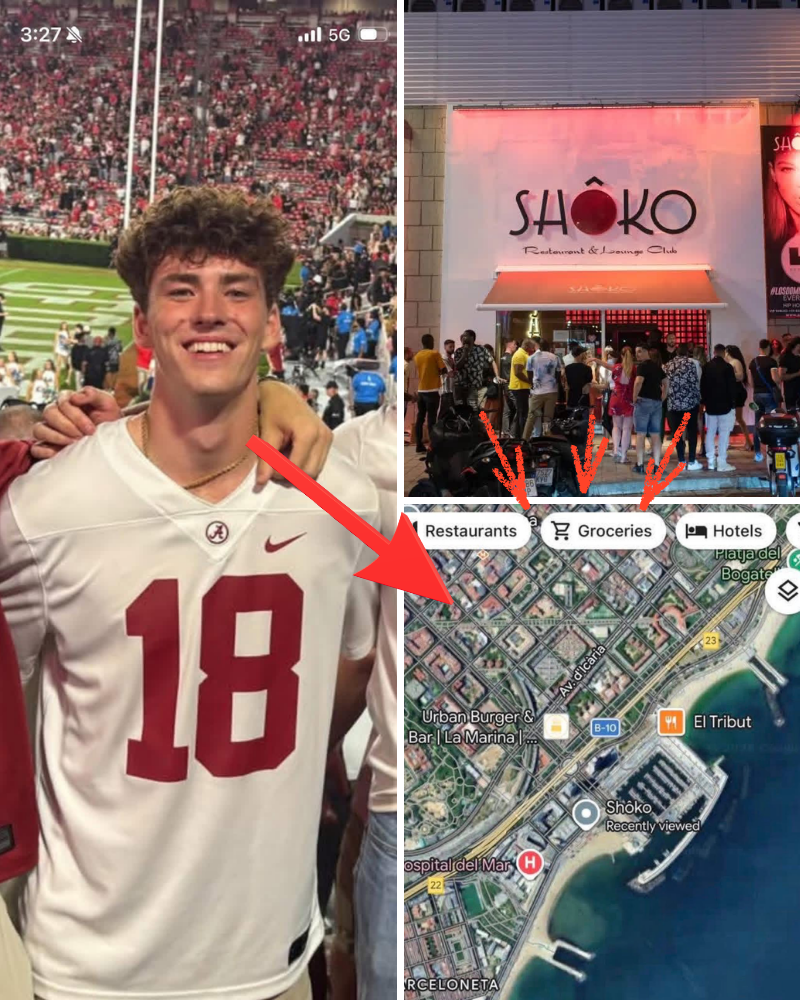
The tragic death of 20-year-old University of Alabama student James “Jimmy” Gracey in Barcelona, Spain, continues to spark intense speculation and doubt among friends, family, and online observers. Despite Spanish authorities’ preliminary conclusion that his drowning was an accidental fall into the Mediterranean Sea near the Shoko nightclub, new claims have emerged suggesting Gracey was not heavily intoxicated—potentially undermining the “drunk fall” explanation. Reports of a supposed last audio recording have added fuel to theories that the case may involve more than a simple mishap, though official updates remain limited and toxicology results are still pending.
Gracey, a junior accounting major, Theta Chi fraternity member, and avid ice hockey player from Elmhurst, Illinois, was in Barcelona during spring break to visit fraternity brothers studying abroad. He was last seen in the early hours of March 17, 2026, after most of his group left Shoko around 3 a.m. Surveillance footage from the Port Olímpic area reportedly shows him walking alone toward a breakwater before falling into the water. His body was recovered on March 19 in shallow waters off Somorrostro Beach, with an initial autopsy indicating drowning and injuries consistent with striking rocks repeatedly—findings that Spanish police (Mossos d’Esquadra) say “all signs point” to an accident, ruling out foul play at this stage.
However, the investigation has drawn criticism for perceived inconsistencies. Gracey’s phone was found in the possession of a known pickpocket from the Barceloneta area, who claimed to have discovered it on the beach. Police unlocked the device to contact his family, but questions linger about how and when it was lost. Additionally, early reports noted Gracey speaking with a brown-haired American woman outside the club before heading toward the coast alone—details that have not been fully explained publicly.
A key point of contention is the claim that Gracey was “drinking only water” or not a heavy drinker, leading friends and family to doubt the intoxication-based accident theory. Social media discussions and some family statements have highlighted that Gracey was not known for excessive drinking, with comments suggesting he may have been unusually sober or even impaired by something else. This has led to speculation about possible drugging—perhaps via a spiked drink—especially given nightlife risks in tourist-heavy areas like Barcelona. Authorities have not ruled out substances entirely; toxicology reports from the full autopsy are awaited to confirm alcohol levels or any drugs. Some sources indicate investigators are privately examining drugging angles alongside CCTV and witness accounts, though publicly they lean toward accident.
Amid these doubts, viral claims have circulated about a “last audio recording” serving as a turning point in the case. Sensational posts on platforms like Facebook and TikTok reference a supposed final voice message or call—sometimes described as Gracey telling his mother “I’m going out with friends—I’ll be home soon” or hinting at unusual observations (echoing prior rumors of a “dark-haired guy” comment). However, credible news reports from outlets like The Guardian, Newsweek, El País, and El Periódico make no mention of any audio evidence altering the narrative. No girlfriend statements (from Kenna Cohen) or family releases reference such a recording. Instead, Cohen’s public tributes on TikTok focus on grief and memories: describing Gracey as a “pure-hearted, sweet, devoted, and selfless soul” and expressing regret over lost time together. One post lamented, “Jimmy, I am so sorry… you didn’t deserve any of this,” while emphasizing his ability to live fully in the moment.
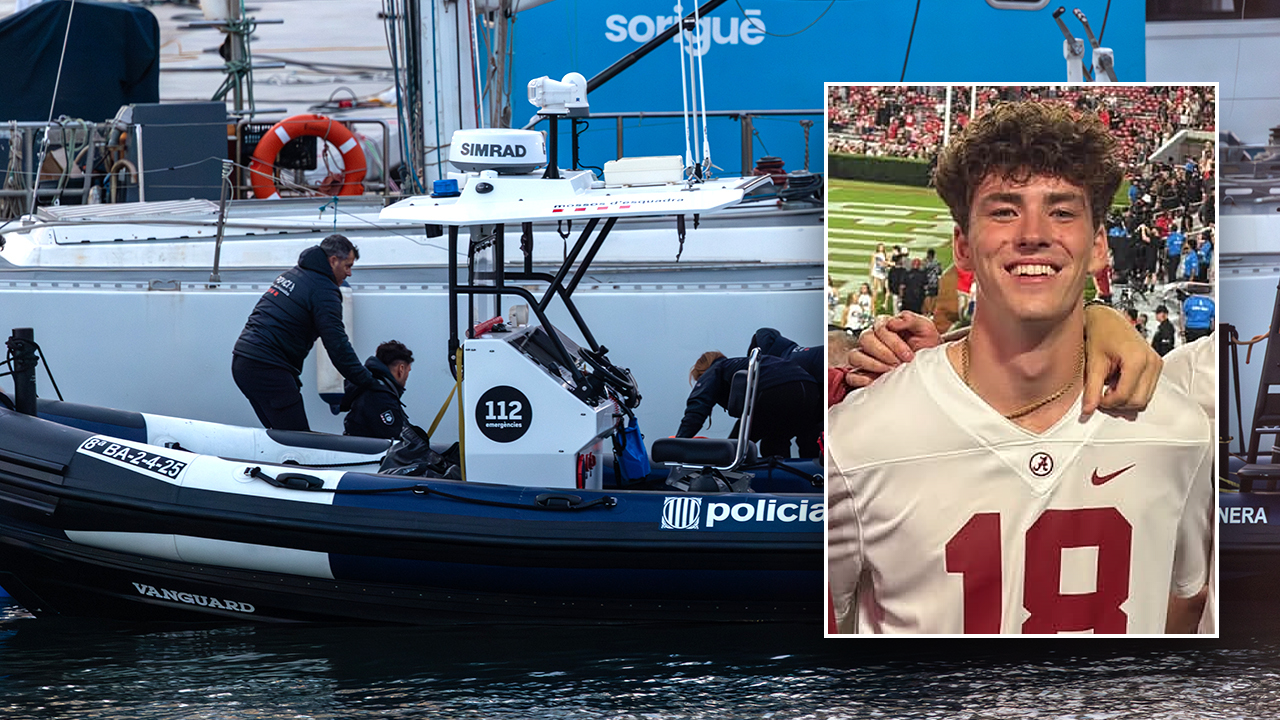
The absence of verified audio in mainstream coverage suggests these details stem from misinformation, unconfirmed social media rumors, or clickbait amplification. Police have emphasized video evidence showing no third-party involvement in the fall, with Gracey appearing disoriented or stumbling alone. A forensic expert interviewed in one report expressed caution about rushing to an accident ruling without full results, urging potential FBI involvement for the American family—though no such escalation has been confirmed.
The case highlights broader concerns about spring break safety abroad: separation from groups, unfamiliar waterfront hazards, and vulnerabilities in crowded nightlife scenes. Gracey’s fraternity and local hockey community have mourned him as outgoing and selfless, while the University of Alabama expressed profound sorrow. His family, now in Barcelona awaiting repatriation of his body, has requested privacy amid the grief.
As the investigation proceeds—pending final autopsy and toxicology—official accounts maintain it as a heartbreaking, preventable accident influenced by late-night factors. Yet persistent online skepticism, fueled by unanswered questions about his phone, the mysterious woman, and sobriety claims, keeps alternative theories alive. Without concrete evidence like an audio recording shifting the probe, the “drunk fall” remains the leading explanation, though friends’ doubts reflect a natural reluctance to accept such a sudden, senseless loss. Gracey’s memory endures through tributes celebrating his kindness and the joy he brought others—a reminder of life’s fragility in moments of celebration turned tragedy.
Để lại một bình luận