The striking, rugged coastlines of Western Australia are celebrated globally for their dramatic beauty and world-class marine environments, but a recent succession of events has left local communities and tourists deeply unsettled. Just days after the tragic loss of thirty-eight-year-old Steven Mattaboni near Rottnest Island, the waters off the coast of Fremantle have become the center of intense anxiety following a series of highly confrontational shark sightings. While marine authorities are accustomed to seasonal apex predators cruising the rich currents of the Indian Ocean, the specific behavior of a massive great white shark documented over the weekend has radically shifted the local conversation from one of standard seasonal caution to profound, visceral unease.
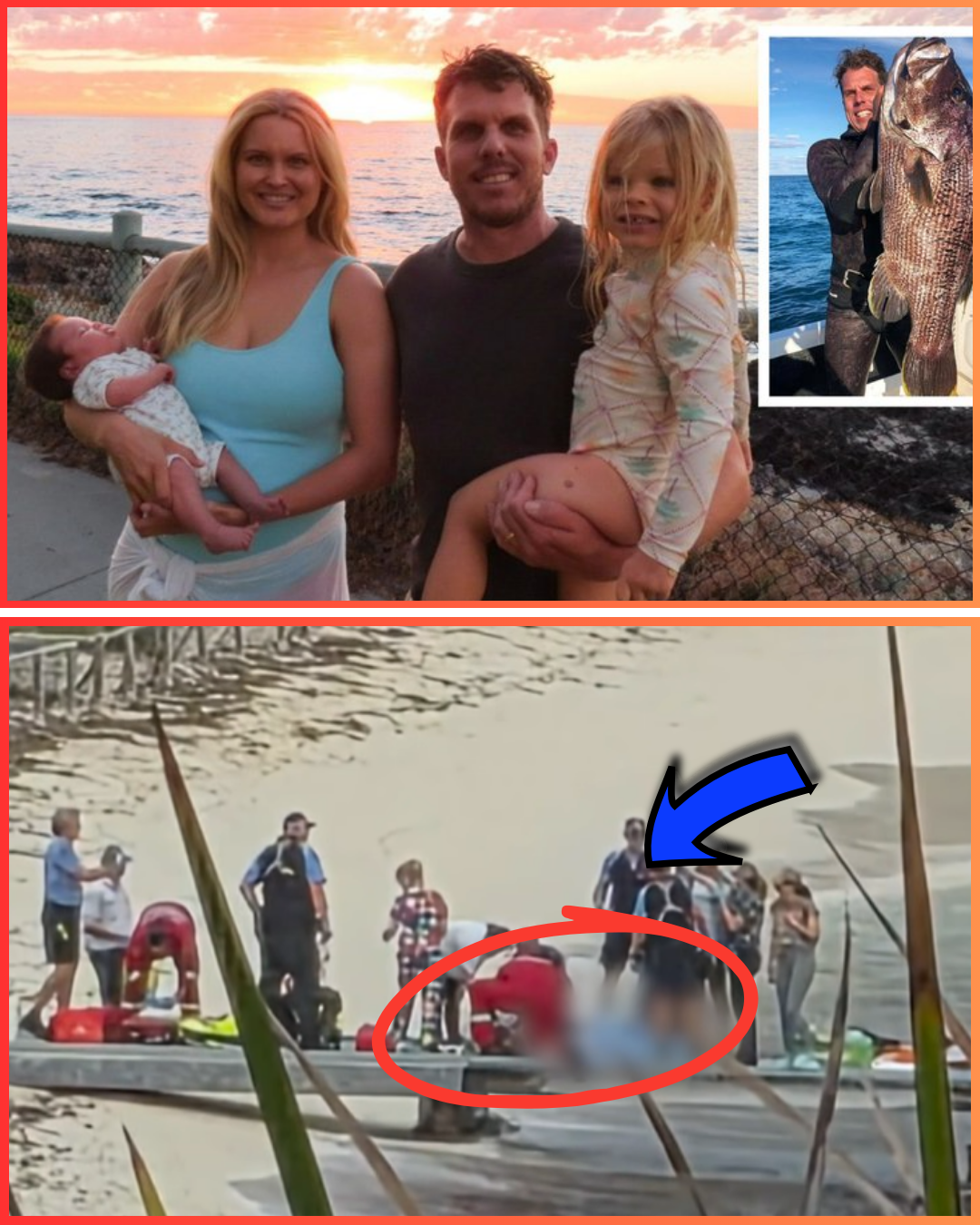
The initial tragedy unfolded on a clear Saturday morning at Horseshoe Reef, a popular diving and fishing spot situated roughly one kilometer offshore from the north side of Rottnest Island. Steven Mattaboni, a highly experienced surveyor, dedicated father of two young daughters, and the respected secretary of the Bluewater Freedivers of Western Australia, was participating in a localized club spearfishing competition with a close-knit group of friends. Despite the group’s extensive collective knowledge of safety protocols and ocean conditions, a four-to-five-meter great white shark materialized in the pristine water, striking Mattaboni on his lower limbs while he was positioned a mere twenty meters from the safety of his dive boat.
The subsequent moments were marked by absolute desperation and heroism as Mattaboni’s diving companions immediately risked their own safety, lunging back into the water to drag their severely injured friend onto the vessel. The crew initiated continuous cardiopulmonary resuscitation while executing a high-speed transit back to the Geordie Bay jetty on the island, where an array of emergency assets, including a police helicopter and St John WA paramedics, awaited their arrival. Despite the exhausting, coordinated life-saving measures administered on the blood-soaked deck and the jetty, the sheer severity of the arterial trauma meant the young father could not be revived, marking the first fatal shark bite recorded in the immediate vicinity of Rottnest Island in fifteen years.
While the loss of a prominent, beloved community figure sent shockwaves through the Perth metropolitan area, the tension in the region reached a boiling point less than forty-eight hours later. As patrol vessels from the Department of Primary Industries and Regional Development continued to monitor the closing perimeters around Geordie Bay and the surrounding surf lines, a secondary encounter occurred that transformed the tragedy into an ongoing psychological ordeal for local mariners. A group of boaters operating a small recreational vessel in the exact same stretch of water documented a massive great white shark that refused to display the typical, fleeting curiosity usually observed by researchers studying the species.
According to witness accounts and digital logs analyzed by fisheries officials, the second apex predator did not simply cruise past the vessel or swim away into the deeper continental shelf after an initial inspection. Instead, the shark executed a deliberate, tight banking turn, actively circling back toward the idling watercraft multiple times while maintaining a shallow position just below the surface. The proximity of the creature, combined with its slow, methodical pacing, created a chilling spectacle for those on board, as the shark’s prominent dorsal fin and massive silhouette repeatedly cut through the wake of the boat in a manner that felt highly territorial to the onlookers.
This specific behavioral pattern has ignited a massive wave of concern among local surfers, commercial fishers, and holidaymakers who frequent the vulnerable holiday island. In typical circumstances, shark sightings off the Western Australian coast are treated with a degree of casual acceptance, as sea-goers recognize that they are entering the natural habitat of migratory predators. However, the realization that an enormous great white remained actively engaged with surface vessels in the immediate aftermath of a fatal attack has shattered that sense of routine detachment, prompting many traditional ocean users to declare that they will be completely avoiding the water for the foreseeable future.
Marine scientists have attempted to inject a degree of calm into the escalating public panic, explaining that the behavior, while terrifying to witness, can be explained through ecological factors rather than malicious intent. Experts note that a spearfishing competition naturally introduces acoustic vibrations, blood, and organic oils into the water column, which can act as a powerful attractant for multiple miles. A large shark returning to circle a boat is often reacting to residual olfactory cues, associating the shape and hum of a vessel’s hull with the potential presence of discarded fish or distressed prey, rather than demonstrating a targeted aggression toward human beings.
Despite these scientific explanations, the political and economic ramifications of the dual incidents are already manifesting along the Fremantle transit hubs. Tourism operators, who rely heavily on the steady influx of local and international visitors traveling to Rottnest Island to swim in the secluded bays and interact with the local wildlife, have noted an immediate shift in public sentiment. Several multi-day ferry passengers and families arriving at the terminal have publicly stated their intentions to restrict their holiday activities entirely to the terrestrial portions of the island, choosing to view the scenic vistas safely from the sand rather than venturing into the surf.
Government agencies have responded by increasing the frequency of aerial patrols and deploying additional acoustic monitoring tags to track the movements of large sharks along the metropolitan coastline. The Western Australian Police Force and local fisheries authorities have extended the formal water closures around the northern beaches of Rottnest, reminding the public that personal shark deterrent devices, while not infallible, provide an essential layer of mitigation for deep-water diving activities. The tragedy has also prompted a renewed legislative debate regarding the management of marine sanctuaries and the efficacy of drum lines, a contentious topic that consistently resurfaces whenever a community is forced to confront the harsh realities of coexisting with apex predators.
As the Mattaboni family prepares for a private memorial to honor a man described by his wife as an extraordinarily generous gentleman who lived and breathed the ocean, the shadow of the great white continues to linger over the West Australian coast. The official reports being prepared for the coroner will eventually detail the exact environmental variables that coalesced on that fateful Saturday morning, but the visceral memory of the massive shadow circling back toward the surface will likely dictate local ocean behavior for months to come. For a community so deeply defined by its relationship with the sea, the chilling events near Rottnest serve as a stark, indelible reminder of the ancient, unpredictable forces that govern the deep blue waters just beyond the shore.
Để lại một bình luận