A leaked Russian database just exposed around 490,000 military deaths—and now a senior Russian general is openly calling for Putin to step down. 🚨
Not a Western critic. Not an opposition activist. A retired general who heads the All-Russia Officers Assembly—warning that Russia could face collapse by 2027 or 2028 if the war drags on.
And it isn’t just one voice. Pro-war bloggers, frontline commentators, and insiders are trading accusations over fake victory reports, shrinking contract sign-ups, budget strain, and quiet street detentions while the Kremlin cracks down even on its own loudest supporters.
When you add missing troops into the leaked figures, independent analysts put total deaths even higher—while Moscow faces an impossible squeeze at home and abroad.
Wait until you see what the leaked Rosstat data actually showed, why friction between the defense ministry and general staff is boiling over, and what happens next if Russia tries to plug the manpower hole without calling open mobilization.
Read the full breakdown before the next shockwave hits Moscow 👇🔥
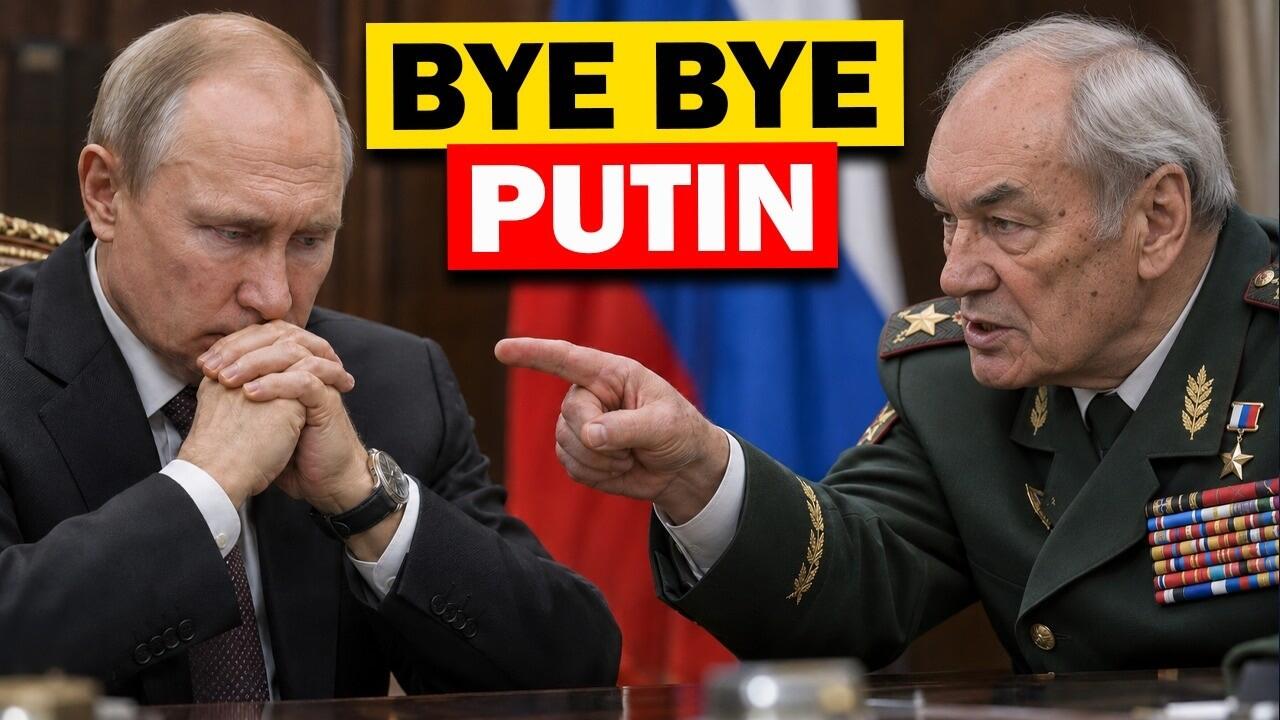
A wave of online commentary and international reporting has seized on two explosive threads intersecting in late November 2026: a leaked Russian statistical dataset pointing to at least 490,000 registered military deaths since the start of the full-scale invasion of Ukraine, and renewed public remarks by retired Russian Col. Gen. Leonid Ivashov calling for a peaceful transfer of power and warning of existential danger to Russia if the conflict continues.
Moscow has not publicly disclosed official military death tolls for years and routinely dismisses leaked figures or critical commentary from retired officials as unreliable or outside the mainstream. Meanwhile, independent researchers and defense analysts emphasize that while leaked demographic records offer a sobering window into mortality trends, exact casualty totals—including missing-in-action personnel—remain contested, and a single retired general’s appeal does not equate to an immediate threat to Vladimir Putin’s grip on power.
Even so, the convergence of leaked mortality data, economic strain, domestic crackdowns, and blunt rhetoric from figures inside Russia’s broader nationalist and military orbit has fueled intense debate over the internal toll of the war.
What the Leaked Data Shows—And Why Analysts Urge Caution
In late November 2026, independent outlets including Mediazona, Meduza, and partner newsrooms such as the BBC reported on an analysis of leaked Russian statistical/civil-registry data (linked to Rosstat/EGR ZAGS records) covering deaths through late September 2026. According to those analyses, the leaked archive indicates at least roughly 490,000 military deaths entered into the records since February 2022, with researchers estimating that once delayed registrations and missing-in-action soldiers are factored in, the true death toll could reach around 700,000 or more.
Those figures are higher than earlier open-source named tallies—which had already identified well over 280,000 fallen Russian troops by name—because civil and statistical databases capture records beyond public obituaries or probate filings, while still facing caveats around missing early-war records, classification of certain units, and time lags in registering missing personnel as dead.
Independent military analysts note that high attrition has forced Moscow to spend heavily on recruitment bonuses, draw on contract recruits, prisoners, and foreign nationals, and contend with public anxiety over any prospect of another formal mobilization wave. At the same time, Western and independent observers caution against treating any single leak or casualty estimate as settled fact without independent audit.
A Nationalist General’s Call for a Peaceful Transfer of Power
Against that backdrop, remarks by retired Col. Gen. Leonid Ivashov—a veteran defense official and head of the All-Russia Officers Assembly who has long spoken from a conservative, nationalist standpoint rather than a Western liberal one—drew heightened attention after clips and summaries circulated widely in late November.
Ivashov has repeatedly warned against prolonged conflict and argued that Russia’s leadership miscalculated the war’s trajectory, calling instead for a peaceful change of government and de-escalation to avert severe political and territorial fracturing in the years ahead.
In Russia’s tightly controlled political system, open calls for leadership change carry heavy legal and personal risks, and Ivashov holds no active command authority. Analysts point out that voices from nationalist or pro-war circles sometimes air grievances over tactics, corruption, or leadership without triggering systemic change—yet when figures associated with the military establishment question the war’s course, opponents and observers alike treat the rhetoric as a notable signal of elite frustration.
Friction at the Top, Economic Pressure, and Tighter Controls at Home
Commentators pointing to growing strain inside Russia highlight several interlocking pressures beyond the battlefield:
-
Elite and Command Friction: Defense analysts and international media reports have pointed to tensions between economic/budget managers and military commanders over resources, realistic battlefield reporting, and manpower needs—as well as ongoing anti-corruption arrests and security-service scrutiny across defense and administrative circles.
-
Budget and Economy: High defense spending, elevated interest rates, tax adjustments, and pressure on energy revenues have constrained fiscal room for civilian priorities, prompting Russian commentators and economists to debate how long the economy can sustain wartime spending without deeper strain.
-
Domestic Crackdowns and Recruitment: Rights groups and independent outlets have documented expanding legal restrictions, foreign-agent designations, detentions at protests, and aggressive enforcement of conscription/summons rules—alongside intensified clampdowns even on pro-war commentators or bloggers who criticize commanders or official narratives.
-
Diplomacy and Allied Backing for Kyiv: Even as diplomatic contacts involving Washington, Kyiv, and Moscow continue—alongside high-profile international gatherings—key sticking points over territory, security guarantees, and sovereignty remain unresolved, while European allies continue funding air defense, munitions, and long-term support for Ukraine.
How Communities Are Reacting: Reddit, X, Discord, and Analysts
Online reactions to the leaked casualty figures and Ivashov’s remarks vary sharply depending on the platform and audience:
-
Reddit (
r/worldnews,r/ukraine,r/UkraineWarVideoReport,r/CredibleDefense): Users have closely examined how researchers cross-checked leaked statistical tables against named casualty lists and probate data, praising the methodological rigor of outlets like Mediazona while debating whether Ivashov’s statements reflect real cracks in Moscow’s elite or simply the outspokenness of a retired figure with limited leverage. -
X (formerly Twitter) & Commentator Channels: Accounts across the political spectrum have amplified viral clips and headlines. Critics of the Kremlin treat the 490,000-plus figure and Ivashov’s warnings as proof of strategic failure, while pro-Kremlin channels and skeptical analysts dismiss leaked datasets as unverified or question the political weight of retired officers.
-
Discord & Geopolitics/Defense Communities: In strategy and current-events servers, members frequently debate the difference between military attrition and regime collapse—noting that authoritarian states with strong internal security apparatuses can absorb severe human and economic costs for long stretches unless elite cohesion or fiscal stability breaks down.
-
Industry & Policy Analysts: Russia watchers and defense specialists emphasize two guardrails: first, verify sources and distinguish between confirmed databases, statistical projections, and unverified social-media claims; second, recognize that while mounting losses and economic drag narrow Moscow’s options, Putin’s government retains substantial levers of state control.
Strategic Outlook: Pressure Builds, but Outcomes Remain Contested
The combination of leaked casualty analyses, economic headwinds, and blunt critiques from nationalist insiders underscores how costly the war has become for Russia nearly five years into the full-scale invasion. For Kyiv and its Western partners, those pressures shape calculations around sustaining air defenses, sanctions enforcement, and diplomatic leverage.
Yet predictions of imminent state collapse remain speculative. Whether Moscow faces gradual economic and military erosion, prolonged stalemate, or shifts at the negotiating table will depend on battlefield realities, energy and budget resilience, internal security control, and the trajectory of diplomatic talks heading into 2027.
Để lại một bình luận