Kremlin officials keep insisting there’s no new mobilization—so why did Moscow quietly rewrite the rules to run call-ups all year long? 🚨
A shift to year-round conscription in 2026. Expanded rules on reservists and draft limits. Electronic summonses, travel bans, and steep signing bonuses trying to keep up with brutal casualty reports.
Even defense researchers warn that Moscow doesn’t need a dramatic 2022-style announcement to tighten the screws—it’s normalizing the machinery quietly while denying any plans for a mass wave.
Wait until you see how Russia’s year-round draft and reserve rules actually work, why analysts talk about “rolling” or “hidden” mobilization, and the real political trap Putin faces if contract sign-ups dry up.
Read the full breakdown before the next rule change hits 👇🔥
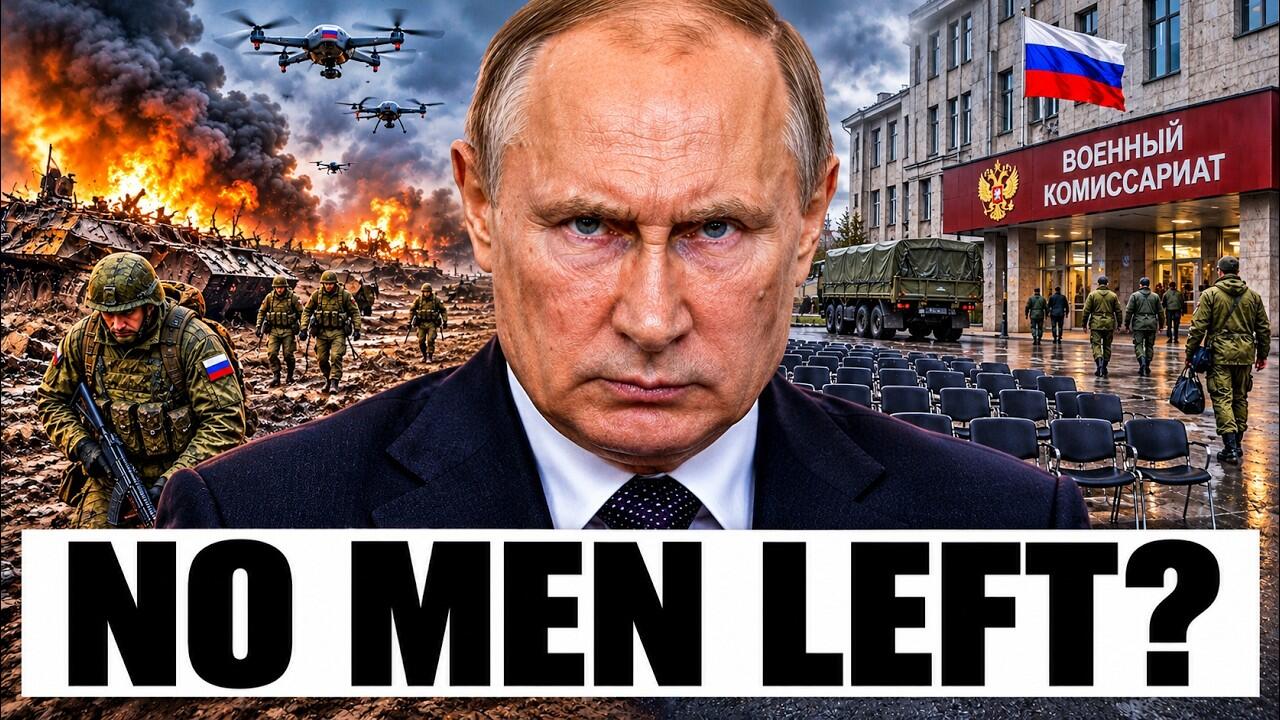
For years, Russian officials have repeatedly dismissed rumors of a new wave of mobilization as speculation or disinformation, even as the war in Ukraine grinds on with high reported casualties and heavy demands on Russia’s armed forces. Yet a closer look at legislative and administrative changes enacted across 2023–2026—including the transition to year-round conscription procedures starting in 2026, an expanded draft age range of 18 to 30, digital summonses and travel restrictions, and decrees affecting reservists—shows how Moscow has steadily overhauled its manpower framework without issuing a new televised mass-mobilization decree.
Independent military researchers, think tanks such as the Institute for the Study of War (ISW) and the Royal United Services Institute (RUSI), and international news organizations note that Russia’s 2022 partial mobilization decree was never formally rescinded, and that recent legal changes give authorities broader administrative tools to track, summon, and deploy personnel over time.
At the same time, defense analysts caution against conflating legal authority with an immediate mass call-up to the front lines: Moscow continues to rely heavily on paid contract recruitment, financial bonuses, and targeted enforcement rather than an abrupt, nationwide mobilization that could reignite domestic unrest.
What Changed in Russia’s Conscription and Reserve Laws
While the Kremlin has avoided announcing a second broad mobilization akin to September 2022, lawmakers and executive decrees have altered several pillars of Russia’s military service system:
-
Year-Round Conscription Procedures (Effective 2026): Legislation signed in late 2025 and decrees for 2026 shifted conscription administration onto a year-round calendar (with a 2026 draft target of 261,000 men aged 18–30 not in the reserve, while unit dispatches continue in scheduled spring and autumn windows). Analysts note that year-round processing keeps the military administrative apparatus active continuously and facilitates funneling recruits toward contract service.
-
Wider Age Eligibility and Tighter Penalties: Earlier amendments to Russia’s military service law raised the upper conscription age ceiling from 27 to 30, increased fines for failing to report to enlistment offices, and introduced electronic summonses paired with administrative restrictions—including limits on leaving the country or driving/credit privileges—for those who do not comply.
-
Reservist and Training Decrees: Defense-policy trackers and government summaries highlight measures authorizing reservist call-ups for military training/camps and adjusting rules around reservist deployment and mobilization reserves. Analysts at institutions like ISW and RUSI have described the combined effect as a “rolling” or normalized manpower system rather than a single public shock wave.
Legally, Russian conscripts are generally restricted from deployment directly to combat zones in Ukraine unless they sign a contract or are mobilized under applicable rules, and Russian officials maintain that these measures are routine modernization and defense readiness. Critics and outside analysts, however, view the legal architecture as expanding the state’s leverage over eligible men and reservists whenever needed.
Why Recruitment Math Is a Headache for the Kremlin
Manpower debates have grown sharper in 2026 amid steep casualty estimates, high attrition along eastern and southern fronts, and rising fiscal costs:
-
Contested Casualty Figures: Ukrainian military briefings report tens of thousands of Russian casualties per month in autumn 2026 and cumulative totals well above a million total casualties (killed, wounded, missing, and captured), while independent projects like Mediazona and BBC Russian have confirmed well over 280,000 Russian military deaths by name—with researchers warning that lag times mean recent deaths take months to surface—and leaked statistical analyses cited in late November pointed to even higher registered death figures. Moscow does not publish official casualty counts and disputes outside estimates.
-
The Cost of “Buying” Recruits: For much of the post-2022 period, Russia avoided mass conscription largely by offering hefty regional and federal sign-up bonuses and contract pay that far exceed average wages in many provinces. Yet analysts note that paying large bonuses on top of high military spending, elevated interest rates, and tax/budget pressures strains regional and federal finances over time.
-
Fear of Domestic Backlash: The September 2022 partial mobilization called up roughly 300,000 reservists and prompted hundreds of thousands of Russians to leave the country, creating acute political sensitivity. As analysts at RUSI and CSIS have observed, a sweeping, compulsory mobilization—especially one felt acutely in major cities or middle-class households—carries substantial political risk for President Vladimir Putin.
Battlefield Friction: High Costs vs. Incremental Gains
Even as Russian forces continue offensive operations across sectors of Donetsk, Kharkiv, and Zaporizhzhia, analysts note that high attrition has coincided with tough, grinding fighting and localized Ukrainian counterattacks. Independent mapping from groups such as ISW shows shifting front lines with localized Russian advances in some areas offset by Ukrainian counteroffensives in others—underscoring that throwing more personnel into attritional battles carries steep human and material costs without guaranteeing rapid breakthroughs.
Meanwhile, Moscow has supplemented contract recruitment with targeted campaigns, incentives, recruits with criminal records, foreign nationals, and strict enforcement against evasion or dissent, while continuing to deny plans for a new mobilization wave.
How Communities Are Reacting: Reddit, X, Discord, and Analysts
Discussions across online platforms and defense circles around Russia’s conscription laws, reservist rules, and recruitment pressures are intense and often polarized:
-
Reddit (
r/worldnews,r/ukraine,r/russia,r/CredibleDefense): Users frequently debate the gap between Kremlin denials and statutory changes like year-round conscription, digital summonses, and reserve decrees. Many commenters weigh whether financial incentives can keep sustaining the front line or whether manpower shortages will eventually force harder choices. -
X (formerly Twitter) & OSINT/Legal Watchers: Legal analysts, OSINT accounts, and commentators dissect decrees, draft quotas, travel-ban rules, and reports on regional sign-up bonuses or recruitment drives. Pro-Kremlin channels emphasize that conscripts are not supposed to be sent into combat in Ukraine and frame legal updates as routine military reform, while critics point to coercive practices and rising attrition.
-
Discord & Geopolitics/Defense Communities: Members in strategy and current-events servers discuss force generation models—comparing volunteer contract armies, prison/foreign recruitment, and compulsory mobilization—and analyze how authoritarian regimes balance military demand against domestic stability.
-
Defense Analysts & Think Tanks: Specialists at ISW, RUSI, and similar institutions stress precision: Russia has not announced a new mass mobilization decree, and its contract system still functions, yet the cumulative legal framework gives Moscow more levers while leaving underlying demographic and fiscal constraints intact.
Looking Ahead
As the war moves deeper into winter 2026 and toward 2027, manpower sustainability remains one of the critical variables on the Russian side. Whether Moscow continues relying primarily on financial incentives and targeted administrative pressure—or turns more heavily to reservists and stricter call-ups if recruitment slows—will shape both the intensity of Russian offensive operations and the political mood inside Russia.
Để lại một bình luận