Even on Kremlin state TV, the usual “everything is fine” script just cracked—right as Crimea gets hit by rolling blackouts and fuel lines. 🚨
One regular talk-show guest stunned the studio by admitting Moscow has underestimated a cunning, ruthless adversary nearly five years into the war—even as another host snapped at pro-war bloggers and blamed NATO for the Crimean Bridge strike.
Meanwhile, residents across Crimea are dealing with power restrictions, tight fuel limits, and disrupted transit after strikes hit the Kerch Strait crossing earlier this month.
Wait until you see what was actually said on air, why Kremlin officials are scrambling to control the panic inside local chats, and the real reason power cuts are stretching across the peninsula right now.
Read the full breakdown before the next broadcast meltdown hits the feed 👇🔥
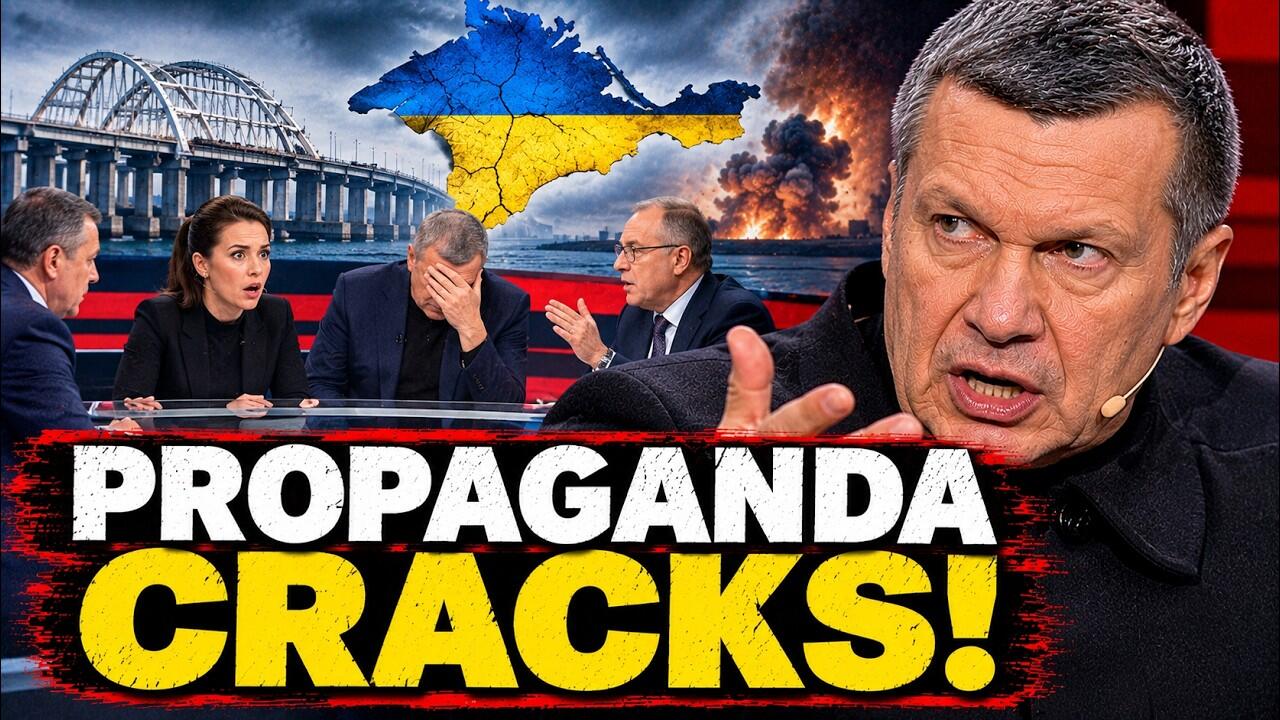
For years, Russia’s prime-time state television broadcasts have treated the war in Ukraine as a predictable march toward Kremlin objectives—often pairing defiant rhetoric with assurances that Russian defenses and infrastructure remain secure. That tone has grown noticeably more strained in late November 2026 following mid-November strikes on the Crimean Bridge over the Kerch Strait, fuel rationing and panic buying on the peninsula, and major power outages across Russian-occupied Crimea.
In one notable moment highlighted in commentary around Vladimir Solovyov’s state television orbit, film director and frequent Kremlin panelist Karen Shakhnazarov drew attention for warning that Russia risks underestimating an intelligent, determined adversary—a remark that stood out against years of bluster even as other state-media figures and officials blamed Western/NATO involvement, attacked critics, or pledged that the bridge would be rebuilt.
At the same time, independent reporting and local utility notices show real-world disruption on the ground in Crimea: damaged road and rail links across the Kerch Strait, fuel purchase restrictions in cities like Sevastopol, and widespread electricity outages lasting hours at a time as winter conditions set in.
State TV Rhetoric Meets a Bruising Reality Check
Russian state media operates under tight editorial control and rarely airs outright opposition to the Kremlin’s war aims. Yet commentators who track Russian broadcasts—including Western analysts and independent media—have pointed to sharp shifts in emphasis whenever battlefield or infrastructure setbacks hit close to home.
Following the mid-November strikes on the Kerch Strait bridge—which Ukrainian officials attributed to domestic drones and missiles and which damaged road and rail infrastructure—pro-war commentators and state-TV panelists faced a messaging dilemma. Some voices on air tried to shift blame onto NATO intelligence and weapons or scolded “turbo-patriots” and military bloggers for spreading panic and rushing to post unverified claims. Others, like Shakhnazarov, urged audiences not to underestimate Ukrainian capabilities and argued for a full-scale mobilization of effort rather than complacency.
Meanwhile, official Kremlin messaging remained firm in public. Spokespeople and officials insisted that strikes would not derail Russian goals, vowed that the Crimean Bridge would be restored even stronger than before, and pointed to Russian strikes against Ukrainian cities and energy infrastructure. In a late-November interview with state-aligned journalist Margarita Simonyan, Russian President Vladimir Putin framed Moscow’s actions as measured responses while arguing that Russia retains pragmatic goals alongside hardline security and territorial demands.
Power Outages, Fuel Limits, and Everyday Friction in Crimea
Away from television studios, residents and local authorities in Russian-occupied Crimea have been dealing with tangible infrastructure strain throughout late November 2026:
-
Widespread Power Cuts: Following rolling electricity restrictions introduced on November 25 for emergency maintenance and grid work—initially warned could last up to 10 days—a large-scale power outage hit parts of Crimea on November 26, with outages in some areas stretching for hours and disrupting daily routines, public transport, and heating. Local Russian-installed energy officials and Krym.Realii reporting linked the disruptions to incidents or damage affecting power grid facilities outside the peninsula.
-
Fuel Rationing and Supply Pressure: After strikes on the Crimean Bridge earlier in the month and heightened anxiety over logistics, local officials in Sevastopol capped fuel purchases—such as limiting motorists to a full tank plus a small jerrycan allowance—after rushes at gas stations and concerns over transport bottlenecks. Analysts note that while heavy bulk fuel often moves via rail, sea, or the southern land corridor rather than the damaged road span alone, reduced flexibility and panic buying quickly strain local pumps.
-
Travel and Freight Bottlenecks: Damage to the road span and temporary rail disruptions across the Kerch Strait, combined with rough seas affecting passenger ferries and drone risks along the southern coastal highway, have made travel to and from the peninsula slower and more complicated for civilians and commercial carriers alike.
Why the Narrative Battle Matters in Moscow and Crimea
Crimea holds immense political and symbolic weight for Moscow. Since annexing the peninsula in 2014 and opening the Kerch Strait bridge in 2018, the Kremlin has presented Crimea as a secure fortress and a centerpiece of its wartime legitimacy.
When infrastructure in and around Crimea suffers visible damage or residents face power cuts and fuel limits, the gap between upbeat broadcast narratives and lived experience becomes harder to bridge—especially in local Telegram chats and community channels where residents share real-time reports on blackouts, lines at stations, and delayed transit.
At the same time, defense analysts caution against reading every sharp remark on a Russian talk show as an imminent collapse of state control. State television panels routinely mix bluster, conspiracy theories, calls for harsher escalation, and occasional warnings about enemy capability—all within boundaries that stop short of challenging Vladimir Putin’s authority directly.
How Communities Are Reacting: Reddit, X, Discord, and Defense Analysts
Clips and reports combining Russian state-TV segments with news of Crimea’s power cuts and bridge damage have drawn active discussion across online platforms:
-
Reddit (
r/worldnews,r/ukraine,r/UkraineWarVideoReport,r/CredibleDefense): Commenters have dissected translated clips of Kremlin talk shows, noting how quickly panelists pivot from triumphalism to blaming NATO or demanding tougher measures when strategic infrastructure is hit. Many users also compare state-TV narratives against local reports of multi-hour blackouts and fuel limits in Crimea. -
X (formerly Twitter) & OSINT/Media Watchers: Journalists, OSINT accounts, and commentators have shared satellite images of the Kerch Strait crossing, utility announcements from Sevastopol, and translated TV excerpts. Debates often center on how much the bridge strikes and grid disruptions constrain Russian military logistics versus how much Russia adapts via rail and land routes.
-
Discord & Geopolitics/Media Communities: In discussion servers focused on information warfare and Eastern Europe, members analyze how state media manages domestic morale—using a mix of censorship, scapegoating, and selective candor to keep audiences engaged without sparking panic.
-
Defense & Policy Analysts: Specialists emphasize separating dramatic TV moments from hard indicators on the ground: power grid outages, logistics bottlenecks, and diplomatic deadlocks over territory and security guarantees matter far more for the war’s trajectory than a single studio exchange.
Looking Ahead: Winter Strain and Contested Leverage
As winter deepens across Ukraine and contested regions, infrastructure and energy resilience remain central front lines. Strikes on power grids and transport links—on both sides—continue to test civilian endurance and military logistics alike.
For Crimea, restoring reliable electricity, managing fuel and freight flows, and repairing damaged crossings will remain urgent tests in the weeks ahead. For observers watching from afar, the real story lies not just in what Russian pundits shout on television, but in how Moscow absorbs infrastructure hits, sustains its forces, and navigates high-stakes diplomatic talks heading into 2027.
Để lại một bình luận