Wait a second—are games journalists actually claiming GTA 6 is going to “detoxify masculinity” and fix the male loneliness epidemic?! 😳🎮🔥
For years, critics slammed Grand Theft Auto over violence and edgy humor. Now, after GTA 6 dropped, outlets like Kotaku, Polygon, and Wired are praising Jason and Lucia’s relationship, home touches, and partner dynamics as a lesson in being a “thoughtful boyfriend”—even taking shots at streamers like Asmongold along the way…
Meanwhile, anti-woke creators, Reddit, and X are going nuclear over the near-perfect review scores, calling out double standards, and asking whether a game built on crime and chaos is really meant to be a relationship coach…
Did gaming media just flip the script overnight—or are they projecting onto GTA 6 while fans fight over what the game actually is? 👀
Read the full breakdown of the media vs. gamer clash here 👇
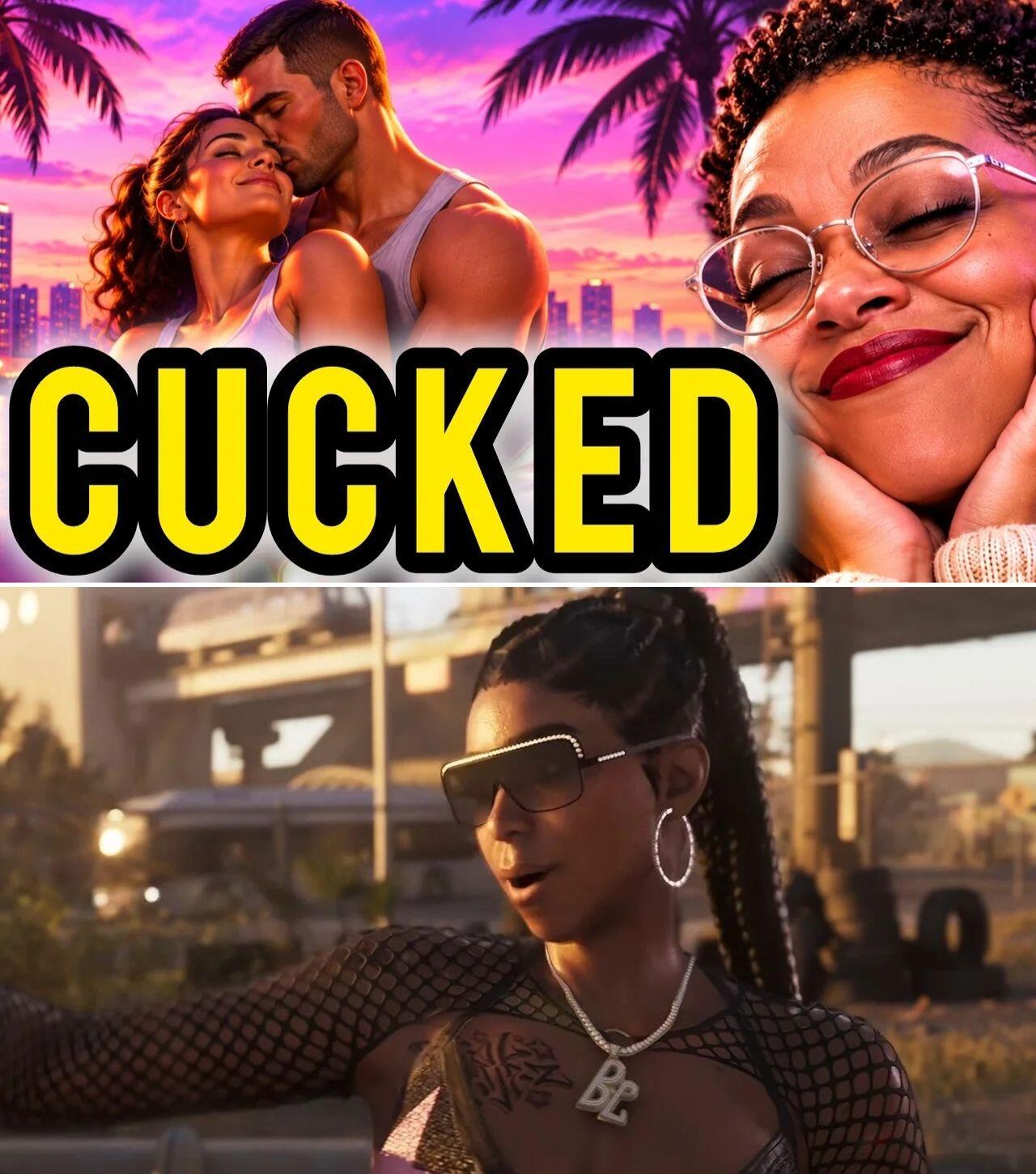
Following Grand Theft Auto VI’s November 19, 2026 launch, glowing critic coverage and cultural essays from outlets like Kotaku, Polygon, Wired, and The Guardian have collided with fierce pushback across YouTube, Reddit, X, and Discord over relationship mechanics, review scores, and what critics call “detoxifying masculinity.”
Few franchises in video game history carry as much cultural baggage—or command as much media attention—as Grand Theft Auto. For decades, GTA sat at the center of debates over violence, satire, and shock value. Now that Grand Theft Auto VI has arrived on PlayStation 5 and Xbox Series X/S with near-record critical acclaim, a new flashpoint has emerged: why so many games journalists are celebrating the game’s domestic details, emotional weight, and relationship systems, and why a vocal segment of players and commentators is pushing back hard.
That divide was front and center in Smash JT’s video “WHY JOURNOS LOVE GTA 6…” (http://www.youtube.com/watch?v=RxfCtAt_0Io), which zeroed in on commentary from Kotaku writer Ash Parrish—specifically an essay arguing that GTA 6’s simulated relationship between protagonists Jason Duval and Lucia Caminos might help address the “male loneliness epidemic” and “detoxify masculinity,” while referencing online figures such as Andrew Tate and streamer Asmongold. The clip, alongside broader coverage across mainstream and gaming press, captures a sharp split between how critics are framing GTA 6 and how many fans want to experience it.
What Critics Are Highlighting in ‘GTA 6’
Rather than reviewing GTA 6 solely as an open-world crime spree, several prominent reviewers and cultural writers have focused on its quieter, more personal moments and world-building depth.
-
Relationship and domestic details: Coverage in Kotaku, Polygon, and Wired has pointed to moments where players as Jason can do thoughtful or everyday things for Lucia—such as picking up flowers or jewelry, painting or fixing up spaces, and managing relationship dynamics—framing these optional or narrative interactions as a sign that the game rewards attentiveness and partnership alongside chaos.
-
Emotional resonance and empathy: Reviews in outlets such as The Guardian and The National noted that the fugitive dynamic between Jason and Lucia gives the story an emotional core and ground-level stakes that surprised some critics going in, pairing GTA’s signature satire and excess with a more intimate relationship arc.
-
World scale and mundane routines: Critics have praised the sheer density of Vice City and the state of Leonida, with some reviewers pointing out that routine activities—from driving and exploring to small simulated details—can feel surprisingly absorbing.
For supporters of this coverage, those observations reflect genuine design choices by Rockstar Games: pairing high-stakes crime with two leads whose bond, choices, and routines are woven into the campaign.
Why Anti-Woke Creators and Skeptical Gamers Are Pushing Back
On the other side of the argument, critics of modern games journalism—including YouTubers like Smash JT, commentators posting on X, and threads on Reddit—argue that outlets are over-interpreting gameplay mechanics as moral or social therapy.
A central complaint highlighted in Smash JT’s video is tone and double standards. Commentators argue it is jarring to see gaming outlets celebrate GTA 6 as a vehicle for healthy relationships or “detoxifying masculinity” while naming streamers like Asmongold alongside figures like Andrew Tate, or while pointing to small domestic actions in a game that still revolves around theft, violence, and lawbreaking. Skeptics on X and YouTube have also brought up past online disputes involving specific writers and outlets—including debates over character representation, past social-media controversies, and rivalry between legacy sites and offshoots like Aftermath—to argue that cultural commentary in gaming media is driven by ideological framing rather than ordinary player priorities.
Meanwhile, a separate wave of skepticism targets review scores and expectations rather than culture-war essays alone. Following GTA 6’s sky-high critic consensus (including near-99 Metacritic aggregate reporting ahead of launch), some players on Reddit and tech/gaming outlets such as PCMag have argued that glowing reviews glossed over rough edges—such as 30fps performance limits, input latency, slow early pacing, or monetization tiers—or claimed that critics always grade Rockstar generously. Conversely, other fans on Reddit and mainstream forums have pushed back against the “woke” or “journalist conspiracy” narrative, arguing that GTA has always mixed dark satire, flawed characters, and social commentary, and that manufactured outrage over female leads or relationship mechanics misses the point.
Industry Realities Behind the Coverage
Industry observers also point out practical reasons why GTA 6 coverage looks the way it does right now. As media analysts noted around launch, GTA 6 is one of the largest entertainment releases ever, arriving in a tough era for games media marked by layoffs, shrinking newsrooms, and intense competition for reader attention against streamers and short-form creators. When a game of that scale launches, outlets naturally publish both traditional reviews and broader cultural angles—exploring romance, satire, industry labor, or audience representation—to capture different parts of the conversation.
At the same time, the gap between critic praise and mixed user-score debates shows how differently audiences weigh flaws. Some players treat frame-rate dips, clunky movement, or slow pacing as dealbreakers or reasons to knock a near-perfect score; others treat those issues as secondary to the scale of Leonida and the story of Jason and Lucia.
What’s Next in the Debate Over ‘GTA 6’
As GTA 6 moves further past its launch week, the argument over critics versus gamers is unlikely to cool down anytime soon. With future title updates, GTA Online plans, and an eventual PC release still ahead, players will keep testing how the single-player campaign’s relationship and tone hold up over longer playthroughs.
For now, GTA 6 has become a mirror for the gaming ecosystem itself: to some critics, it is an ambitious blend of crime, satire, and human connection; to skeptical commentators, it is a test case of whether games media is projecting social lessons onto a sandbox meant for escapism. Either way, few games get everyone talking—and arguing—quite like Grand Theft Auto.
Để lại một bình luận